

Hey, just so you know, some of the links on this site are affiliate links. That means I may earn a small commission if you buy something through them. It doesn’t cost you anything extra, and it helps me keep this site running. Thanks for your support!
Seven days in Costa Rica are enough to enjoy a city arrival, volcanic landscapes and some coastal time—but not every beach and national park in the country. Distances, road conditions, weather and activity timing can make a simple map-based itinerary too ambitious. The strongest trip concentrates on two or three practical bases and leaves room for wildlife viewing and rest.
This plan links a San José-area arrival with La Fortuna and the Arenal region, followed by one carefully chosen coastal destination. Manuel Antonio is one possibility, not a compulsory third stop. Confirm your actual flights and transport before committing to hotels; different arrival airports may justify a different order.
A seven-day route built for realistic travel
| Day | Focus | Planning principle |
|---|---|---|
| 1 | Arrival around San José | Recover, confirm transport and don’t force a long drive |
| 2 | Transfer toward La Fortuna / Arenal | Choose one light activity after travel |
| 3 | Arenal landscapes and nature | Book a responsible guided outing |
| 4 | Another Arenal activity or quiet nature day | Allow weather flexibility |
| 5 | Travel to one coastal base | Protect the transfer day |
| 6 | Coast, wildlife or beach | Check park and sea conditions |
| 7 | Return/departure | Don’t plan a distant excursion before a flight |
Day 1: an arrival day is not a free sightseeing day
Immigration, checked luggage, airport transfers and fatigue can turn an early-looking arrival into a late hotel check-in. Stay near an appropriate route for the first night if needed. If you do have energy and time, a nearby cultural or food stop is enough; avoid scheduling an expensive activity that cannot accommodate delays.
Days 2–4: the Arenal region
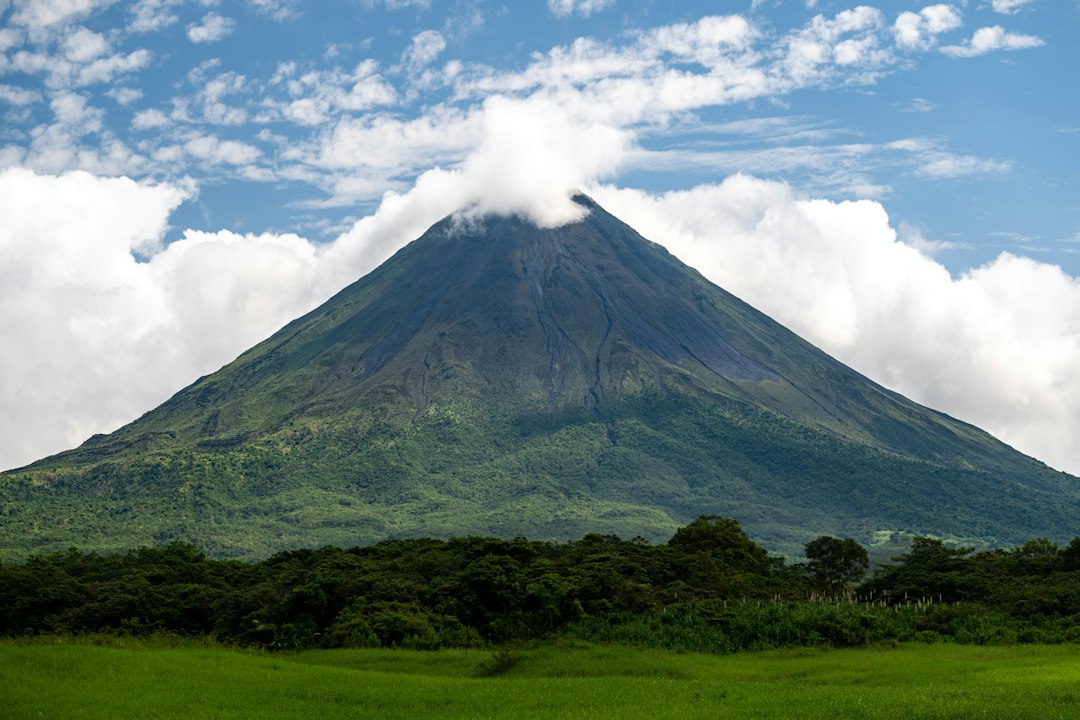
The Arenal Volcano region provides opportunities to experience forest landscapes, views, trails and regional ecology. The national tourism board offers destination information, but individual hikes, guided experiences and thermal facilities have separate entry, operator and safety requirements. Select experiences based on physical ability and interests, not simply whatever has the most dramatic photo.
Weather can conceal volcanic views without making the area worthless. Reserve time for a forest walk, a nature-focused guide or a cultural activity so your trip doesn’t depend on seeing an unobstructed volcano summit on one particular morning.
Wildlife should not be handled for photographs
Choose guides and operators who observe animals at respectful distances. Avoid feeding wildlife or approaching nesting or resting animals. Ask about park rules, group sizes, accessibility and cancellation. A legitimate guide should be able to explain why some animals must be left undisturbed.
The Costa Rica National System of Conservation Areas (SINAC) provides protected-area information. Consult the specific park’s current admission and access procedures before visiting; some sites use advance-ticketing systems or time-specific entry.
Day 5: make the coastal transfer a deliberate choice
Moving from La Fortuna toward the Pacific coast consumes meaningful time. Before booking Manuel Antonio or another area, compare realistic travel duration, accommodation availability and the date of your onward flight. If transport would become exhausting, consider a nearer destination or stay longer in the Arenal area rather than forcing another hotel change.
A coastal day should be a coast day, not six rushed attractions on opposite sides of the country. Plan one main activity and an independent route home.
Day 6: Manuel Antonio or your chosen coastal setting
If you choose Manuel Antonio, consult the relevant national park’s official operating rules and capacity. Water and beach conditions can vary. Not every scenic beach is a safe swimming destination, and some protected areas restrict food, plastics or behavior around wildlife.
You might instead prefer an ordinary beach walk, a guided nature experience or simply time to enjoy the lodging. The destination matters less than selecting an itinerary that remains comfortable and respectful of local conditions.
Budget the complete route, not just hotels
| Cost | Check before booking |
|---|---|
| Transport | Rental car insurance, driver, transfers, fuel and parking |
| Lodging | Taxes, cancellation, location and seasonal rates |
| Activities | Actual guides, permits, admission and equipment |
| Meals | Dining locations, dietary needs and daily expenses |
| Contingency | Weather changes, medical needs and unexpected delays |
Driving versus arranged transfers
Driving can provide flexibility but also introduces insurance terms, navigation, local road conditions and the burden of parking. An organized transfer may reduce stress on major moving days. Compare total costs and practical safety rather than simply choosing the cheapest headline price.
Season and safety checks
Rainfall patterns vary by region and season, and even the same week can bring different conditions inland and on the coast. Check current forecasts and trail conditions before hiking. Review current travel guidance, keep accommodations informed of arrival changes and avoid depending on mobile service in remote areas.
Who should change this itinerary?
If you are mainly interested in wildlife, consider extending the nature portion rather than adding a coast. If you are primarily a beach traveler, choose a route with fewer inland transfers. Families and travelers with mobility considerations may need additional rest days or specialist access information.
Bottom line
A memorable Costa Rica week needs space for travel, weather and nature. Choose an arrival base, a genuine Arenal experience and one feasible coast—or choose fewer stops when that would make the trip better.