


Hey, just so you know, some of the links on this site are affiliate links. That means I may earn a small commission if you buy something through them. It doesn’t cost you anything extra, and it helps me keep this site running. Thanks for your support!
Four days in Bangkok are enough for an introduction to its royal and temple history, river life, neighborhood food and markets—without spending each day trapped in traffic. The useful trick is to group nearby experiences. The Grand Palace and Wat Pho fit a historic-center day; Wat Arun is across the river; Chinatown deserves time of its own; and a major market or contemporary district can anchor another day.
This Bangkok four-day itinerary is designed for a first visit. It is intentionally flexible about opening hours, admission fees and specific river services, which can change around ceremonies, maintenance and seasons. Verify each attraction before setting out.
At a glance: four days that respect geography
| Day | Focus | Route concept |
|---|---|---|
| 1 | Grand Palace precinct and Wat Pho | Old-city history and one unrushed major temple visit |
| 2 | Wat Arun and the Chao Phraya | River crossing, waterside culture and neighborhood time |
| 3 | Chinatown and nearby urban heritage | Food, commerce, walking and an evening atmosphere |
| 4 | Weekend market or modern Bangkok | Match the day to your travel dates and interests |
Day 1: royal and religious Bangkok
Start in the Grand Palace area with enough time to understand the significance of the site rather than treating it as a quick photograph. The Tourism Authority of Thailand lists Wat Phra Kaew among Bangkok’s major attractions. Confirm the current visitor entrance, dress code and access restrictions directly before arrival; occasional ceremonies or official functions may affect opening.
Wat Pho, also called Wat Phra Chetuphon, is a logical companion destination because it belongs to the same broader historic-center area. Its reclining Buddha and temple courtyards reward time for reading and observation. Avoid the familiar mistake of promising several large temples plus a cross-city mall before lunch.
Temple etiquette: plan clothing before leaving your hotel
Thailand’s official tourism guidance emphasizes respectful clothing at royal sites. Pack sleeves, clothing that covers knees and other attire appropriate to each temple’s posted rules. Remove footwear where required; follow photography restrictions and do not interrupt worshippers. Rules can vary among venues, so treat site signage and staff instructions as authoritative.
The right attitude is part of the experience. These are living religious and cultural places, not theatrical backgrounds. Leave time to learn what you are seeing and avoid the temptation to create a hurried photo queue.
Day 2: cross the river to Wat Arun
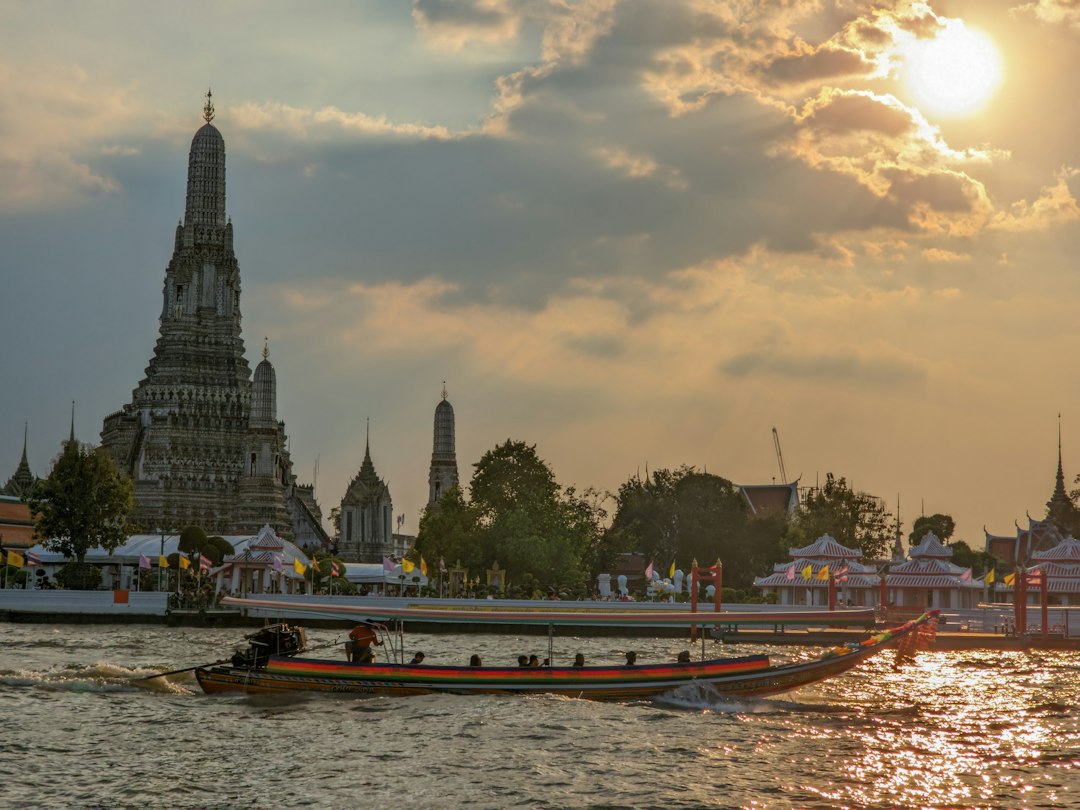
Wat Arun’s recognizable central tower rises from the Chao Phraya bank. It makes a natural focus for a second historic day because the river crossing itself offers a different perspective on Bangkok. Check the current pier and boat operator before leaving your accommodation, since services and dock arrangements are not permanent.
Keep the afternoon open for a riverside walk, museum or local neighborhood exploration rather than returning to the far side of the city for another dense sequence. The day should feel different from Day 1: slower, with more attention to the water and how it has shaped Bangkok.
Day 3: Chinatown and urban food culture
Bangkok’s Yaowarat area is a compelling place to explore commercial heritage, street life and food. Go with curiosity but not with an assumption that every famous food stall is operating every evening or that any queue guarantees quality. Research seasonal opening times and dietary suitability, and keep money and belongings secure in crowded places.
Choose one or two specific foods or street stories you’d like to learn about. A guided food walk may help with context, but you can also set a manageable walking loop, sample small dishes and spend time observing the surrounding architecture and businesses. An evening Chinatown visit pairs better with a lighter daytime schedule than with a dawn-to-midnight marathon.
Day 4: adapt to the calendar
If your fourth day falls when Chatuchak’s main weekend market is operating, that can be a strong choice for browsing food, goods and local commerce. Check current days, individual shop opening and heat/weather conditions rather than assuming the whole market runs identically all week. The Tourism Authority lists Chatuchak among Bangkok’s major sights.
On a weekday, use the day for a museum, contemporary art, a residential neighborhood walk or a comfortable riverside activity. You do not lose the essence of Bangkok by skipping one market. A first trip should provide variety without forcing every hour into the most visited locations.
Transport: rail for major movement, walking for discovery
Bangkok’s BTS Skytrain and MRT systems can be useful for long trips. Some old-city or river locations require walking or a different local connection, so always map the actual last segment. Use official operators for station information and avoid assuming that an apartment advertised “near transit” is a five-minute walk in midday heat.
Have a fallback plan for rain, fatigue and evening returns. Allow time for temple security, crowded platforms and street crossings. Our Bangkok neighborhood guide can help if you are choosing accommodation for more than a short visit.
Common first-time planning errors
- Planning by popularity, not distance: group sites along a single workable route each day.
- Assuming temples never close: confirm official notices and ceremonies.
- Ignoring heat and rain: protect midday breaks and carry water.
- Skipping clothing checks: respect religious dress rules at each site.
- Treating the river like a fixed rail line: verify boat routes and piers on the day.
- Overpacking the final day: leave space for airport transport and recovery.
What would I cut on a three-day visit?
Keep the palace/Wat Pho day, the river/Wat Arun day and one food-or-market day. Three well-paced days beat four overstuffed itineraries. If you have five, add a neighborhood day or an activity that genuinely interests you rather than automatically traveling to another city.
Where to go next
If you intend to work remotely afterward, compare Bangkok versus Chiang Mai. For a pure short vacation, check opening times, transport and hotel geography before making any nonrefundable plan.