


Hey, just so you know, some of the links on this site are affiliate links. That means I may earn a small commission if you buy something through them. It doesn’t cost you anything extra, and it helps me keep this site running. Thanks for your support!
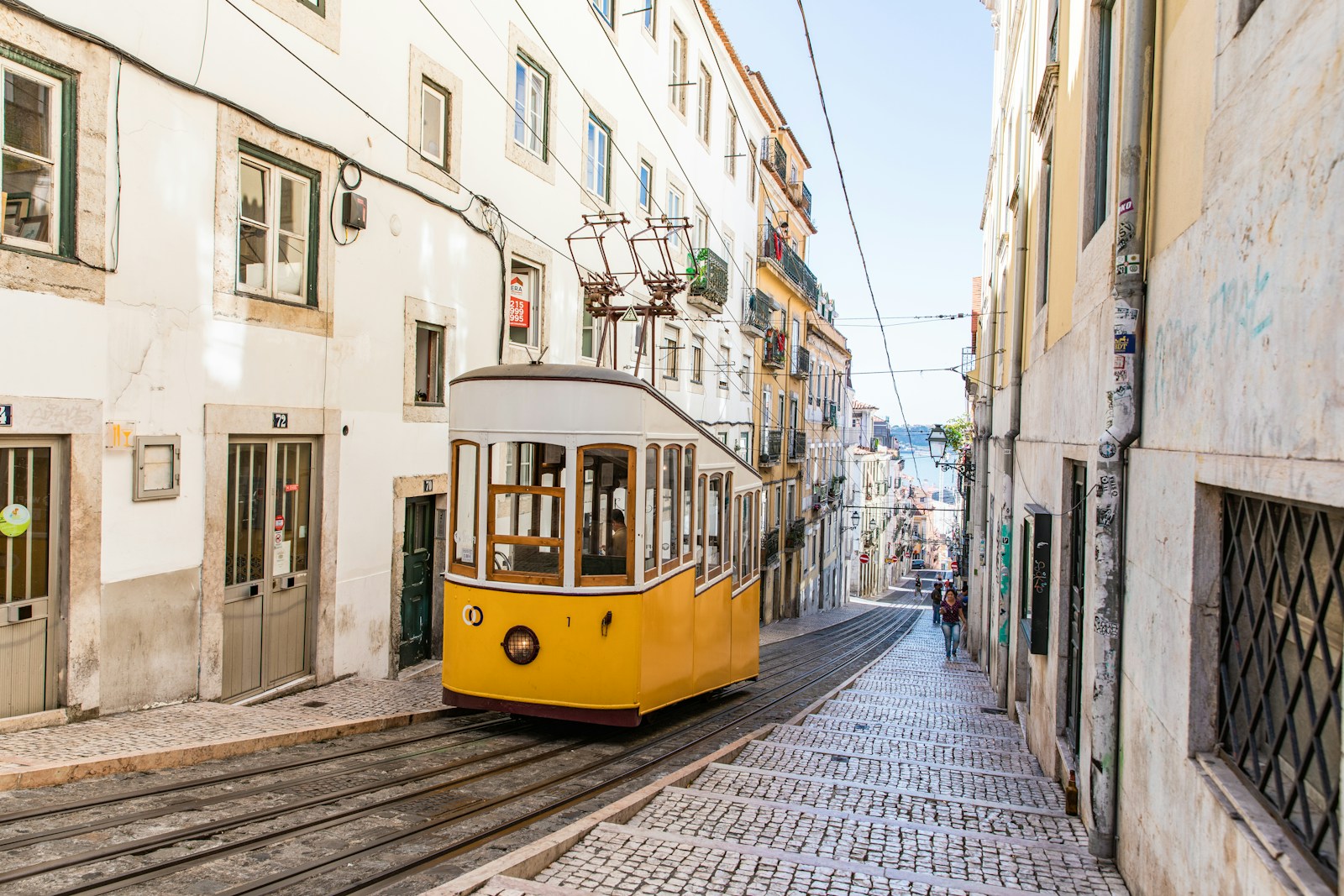
Lisbon is easiest to use as a digital-nomad base when you choose a neighborhood for hills, transit and daily errands—not just postcard views. The city can feel compact on a map, but steep streets, crowded trams and river-to-hill elevation changes make a “short” route very different from a flat ten-minute walk. The right base lets you handle work, groceries and transit without turning every day into sightseeing logistics.
This guide focuses on a practical first month: neighborhood fit, workday setup, public transport, apartment verification and the distinction between a short visit and Portugal’s formal remote-work residence pathway.
Start with the hill-and-transit test
Before booking an apartment, map the route to the nearest Metro station, grocery store, pharmacy and backup workspace. Our Travel Resource Center can help you turn those checks into a repeatable pre-booking process. Then check the elevation. Lisbon’s charm includes its hills, but a steep climb that feels fun on day two can become tiring with groceries, luggage or a laptop bag.
Lisbon Metro operates every day from 6:30 a.m. to 1:00 a.m. under normal conditions. CARRIS runs the city’s buses, trams and funiculars, and its 2026 fare table lists a CARRIS/Metro ticket at €1.90 and a 24-hour CARRIS/Metro ticket at €7.25. Fares and service can change, so use the operators’ current pages when planning.
Saldanha and Avenidas Novas: strong for a work-first month
If you want a practical city base rather than maximum historic atmosphere, Saldanha and the wider Avenidas Novas area deserve serious consideration. The neighborhood is more businesslike than Alfama or Bairro Alto, but that can be an advantage: flatter stretches, Metro access, supermarkets, gyms and services make ordinary weekdays easier.
For someone working five days a week and exploring on evenings or weekends, a less romantic block can produce a better month.
Estrela and Campo de Ourique: neighborhood rhythm over nightlife
These areas appeal to travelers who prefer residential streets, local shops and a slower evening pace. They can feel more “lived in” than a tourist-heavy center, but transit may depend more on buses and trams than direct Metro access.
That tradeoff can be worthwhile if you work from home and value a quieter local routine. It is less attractive if you expect to cross the city several times a day.
Alfama and the historic center: beautiful, but inspect the building carefully
Historic Lisbon delivers atmosphere immediately: narrow streets, tiled facades, viewpoints and older buildings. The same qualities can create practical issues for a longer remote-work stay. Stairs, steep approaches, older windows, street noise and smaller interiors vary enormously from one property to the next.
Do not reject the historic center; just apply a stricter apartment test. Ask about elevator access, desk space, internet provider, window insulation, air conditioning or heating, and whether luggage can reasonably reach the unit.
Príncipe Real, Bairro Alto and Cais do Sodré: choose the exact street
Central nightlife and dining districts can be convenient if being in the middle of the city is the point of the stay. They can also be a poor fit for early sleepers or frequent video calls. One block may be calm while the next stays active late into the night.
For these areas, noise is not a minor detail. Ask the host directly what businesses are below the unit, whether the bedroom faces the street, and how weekends differ from weekdays.
Vet the apartment for a real workday
Lisbon’s housing stock ranges from modern buildings to older apartments with unique layouts. A listing that photographs beautifully may not support eight hours of work.
- Ask for a current speed test from inside the apartment.
- Confirm whether the router is in the unit and accessible to you.
- Check the desk height, chair and outlet placement.
- Ask about street noise, interior-courtyard noise and construction.
- Check heating and cooling for your season.
- Confirm elevator access if stairs or luggage are a concern.
- Test mobile coverage inside the work area as your backup line.
Use transit to widen your life without widening your commute
The Metro and CARRIS network make it easy to explore beyond your neighborhood, but the best remote-work setup keeps most repeated errands close. Put groceries, exercise, laundry, a pharmacy and one backup workspace in a small radius. Use Metro, buses and trams for intentional trips rather than daily necessities.
CARRIS now offers real-time vehicle tracking through its website and CARRISway app, which is useful because bus and tram operations can change around construction, events or temporary route adjustments. Check live service instead of assuming yesterday’s route is today’s.
Understand Portugal’s remote-work residence route
Portugal has a formal residence framework for people performing professional activity remotely for entities outside Portugal. AIMA—the Agency for Integration, Migration and Asylum—publishes the residence-permit requirements for holders of the relevant remote-work residence visa, including a valid passport, valid residence visa for remote professional activity, and evidence of the employment or service relationship with an entity outside Portugal.
That is different from simply visiting Portugal while answering emails. If your plan is a longer residence rather than a short trip, start with the official visa and AIMA guidance for your nationality and situation. Immigration status, work authorization and tax residence are related but separate questions; professional advice is appropriate when the stay becomes long or financially complex.
Plan around Lisbon’s daily rhythm
A first-month routine works better when you do not treat every meal as an attraction. Choose a grocery store you can reach easily, a few local cafes, a regular exercise route and a predictable work setup. Save the major viewpoints, museums, day trips and restaurant-hopping for time you intentionally free up.
If you work North American hours, use mornings for errands, exercise and exploration, then protect your later work block. If you work European hours, the opposite may be easier. The city does not need to dictate your schedule; your timezone should.
A 72-hour Lisbon setup
- Test Wi-Fi, mobile backup and video-call stability from the actual desk.
- Walk the grocery and Metro routes while paying attention to hills.
- Buy or set up the transport product that matches your expected use.
- Check CARRIS and Metro service for the routes you will repeat.
- Spend one evening near your apartment to understand nighttime noise.
- Identify one backup work location and one easy leisure ritual nearby.
Bottom line
Lisbon can be a strong remote-work base, but its beauty should not distract you from the practical choices that shape a 30-day stay. Choose the neighborhood around hills and transit, inspect the exact building, keep daily errands close, and use official information if your plan crosses from visiting into residence. A well-chosen base lets Lisbon stay inspiring without making every workday harder than it needs to be.