

Hey, just so you know, some of the links on this site are affiliate links. That means I may earn a small commission if you buy something through them. It doesn’t cost you anything extra, and it helps me keep this site running. Thanks for your support!
Three days in Santo Domingo are best spent understanding the Dominican capital rather than trying to turn it into a beach-resort trip. Its historic core tells a complicated story of colonial settlement and Caribbean history, while its museums, city neighborhoods, restaurants and waterfront give a sense of the contemporary capital. A strong first itinerary lets both parts coexist.
This plan groups Ciudad Colonial sights into one substantial day, adds museum and urban exploration on the second, and leaves the final day for the Malecón or another interest-led choice. Individual museum schedules and transport conditions can change. Verify entry and opening directly before your visit.
Three-day outline
| Day | Main focus | Why the grouping works |
|---|---|---|
| 1 | Ciudad Colonial | Historic buildings and streets within a defined walking area |
| 2 | Museums and a modern city district | Broader Dominican history plus present-day capital life |
| 3 | Malecón, local food and flexible time | A calmer day with room for a return visit or culture |
Day 1: approach Ciudad Colonial as a neighborhood with layers
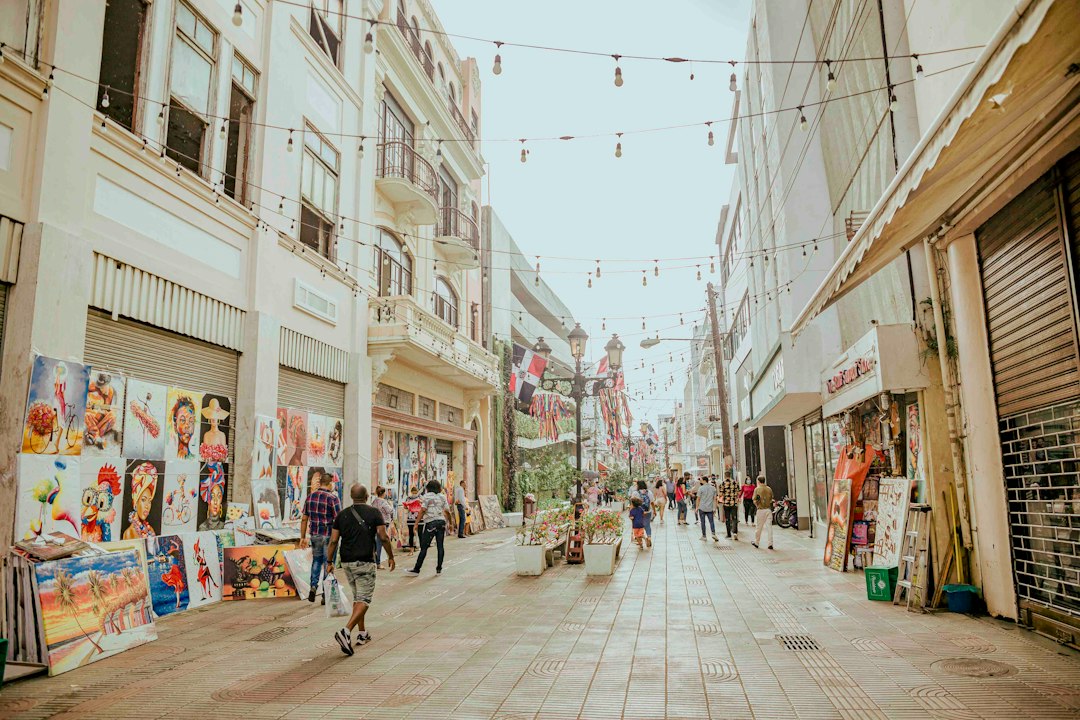
Begin around the Colonial Zone and walk deliberately between a few major heritage locations. The Dominican Republic’s official tourism information features the Cathedral, Calle Las Damas and Alcázar de Colón among central attractions. Rather than collecting five photos in twenty minutes, choose one indoor historic site and read enough to understand the setting.
These places reflect the beginnings of European colonial administration on Hispaniola; visiting responsibly also means acknowledging the violence, enslavement and Indigenous history associated with that period. Tourism should be an opportunity for fuller understanding, not uncritical celebration of conquest.
Use the remainder of the day for a meal, a walk and one additional site. Some streets can be uneven, and heat or rain changes how far you will comfortably walk. Bring water and flexible footwear.
Day 2: add a museum and contemporary city context
Choose a museum or cultural institution according to your interests. If your priority is Dominican history, look for exhibits with clear contextual interpretation rather than assuming all museums offer the same narrative. Confirm ticketing and operating hours with the venue. If a museum has a limited schedule, move it to the day when entry is actually available.
Spend the afternoon in another city district for a different impression of Santo Domingo. Markets, restaurants and ordinary streets can help you see that the capital is more than its preserved historic center. Keep the route practical: a long sequence of transfers can leave less time to appreciate either destination.
Day 3: the waterfront and Dominican food
Use the Malecón as a way to spend time around the city’s seaside setting, subject to weather and your route. Combine it with a relaxed meal, a cultural attraction you missed or a return to your favorite neighborhood from the first two days. Avoid assuming that every piece of waterfront is suitable for swimming; use properly designated beaches elsewhere if that is your goal.
Food is part of the journey. Search for a meal that interests you—Dominican stews, rice dishes, plantains or local preparations—while respecting dietary needs and choosing restaurants on practical routes. A good local meal can be as memorable as another monument.
When to visit: separate climate from events
Santo Domingo has tropical weather, and seasonal rain or storms can affect travel. Check a recent forecast, hurricane-season guidance and local advisories close to the visit. An itinerary that requires every outdoor activity to happen at a precise time will be brittle in changing weather.
Religious services, government functions and community events may affect access to particular historic sites. Before traveling, look at official attraction notices, especially when the trip overlaps holidays or large events.
Where to stay for just three days
A visitor concentrating on historic sites may prefer a convenient location near Ciudad Colonial, while someone combining business appointments and leisure may benefit from another central district. Book for your actual route, not solely the most dramatic balcony photograph. Check evening noise, air-conditioning, walking access, fees and the return route after dinner.
For a working month instead of a short holiday, the priorities shift. Our Santo Domingo remote-work guide covers workstations, power contingency and longer-stay neighborhood fit.
Travel between attractions without unnecessary backtracking
Map several destinations before leaving your accommodation. Try a walking loop in Ciudad Colonial rather than calling separate cars between nearby points. On Day 2, use a reliable transport service to reach the museum and second district. Allow extra time during busy urban periods; map distance is not an accurate promise of travel time.
Keep a separate payment method and offline copy of your accommodation address, and decide how you will return from evening activities. This is ordinary urban travel planning, not a blanket assessment of every Dominican neighborhood.
Safety and etiquette
The U.S. State Department Dominican Republic advisory recommends increased caution due to crime. Review current details before visiting, especially for evening travel or new social contacts. Choose reputable transportation, keep valuables secure and avoid assuming a fashionable street has no risks.
When photographing people in markets or historic districts, ask first where appropriate. Respect religious settings and local residents. Learn a few courteous Spanish greetings; a small effort helps interactions feel like ordinary human exchanges rather than scripted tourist transactions.
Three days or more?
Three days suit a strong cultural introduction. If you want beach time in Puerto Plata or elsewhere on the island, add days rather than pretending a distant coast is a convenient half-day extension. For a longer country evaluation, see our Santo Domingo versus Puerto Plata decision guide.