


Hey, just so you know, some of the links on this site are affiliate links. That means I may earn a small commission if you buy something through them. It doesn’t cost you anything extra, and it helps me keep this site running. Thanks for your support!
Santo Domingo offers more than a short stop in the Dominican Republic, but staying for a month is a different decision from visiting for a weekend. A successful remote-work stay depends on internet and power backup, street-level comfort, transport, practical errands and the kind of daily life you want—not just proximity to a famous attraction.
This guide looks at the Colonial Zone, central modern districts such as Piantini and Naco, and the wider Santo Domingo metro area from a workability perspective. It does not promise universal rental prices, perfect utility reliability or blanket safety judgments: those have to be checked for the specific property and current conditions.
Decide whether you want heritage on your doorstep or modern daily convenience
The Dominican Republic’s official tourism authority describes Santo Domingo as a mix of a preserved Colonial Zone, modern city culture, theaters, dining and attractions such as the Malecón and Los Tres Ojos. That combination is the appeal of the city. It also means there is no single best address for every traveler.
If your ideal month features morning walks among historic buildings, cafés and museums, the Colonial Zone deserves a close look. If your workday depends on quieter indoor space, offices, services and errands concentrated near a modern residential district, compare apartments farther into the city. The final decision should follow a test of individual blocks, not a stereotype about either area.
Ciudad Colonial: walkable discovery, but verify apartment conditions
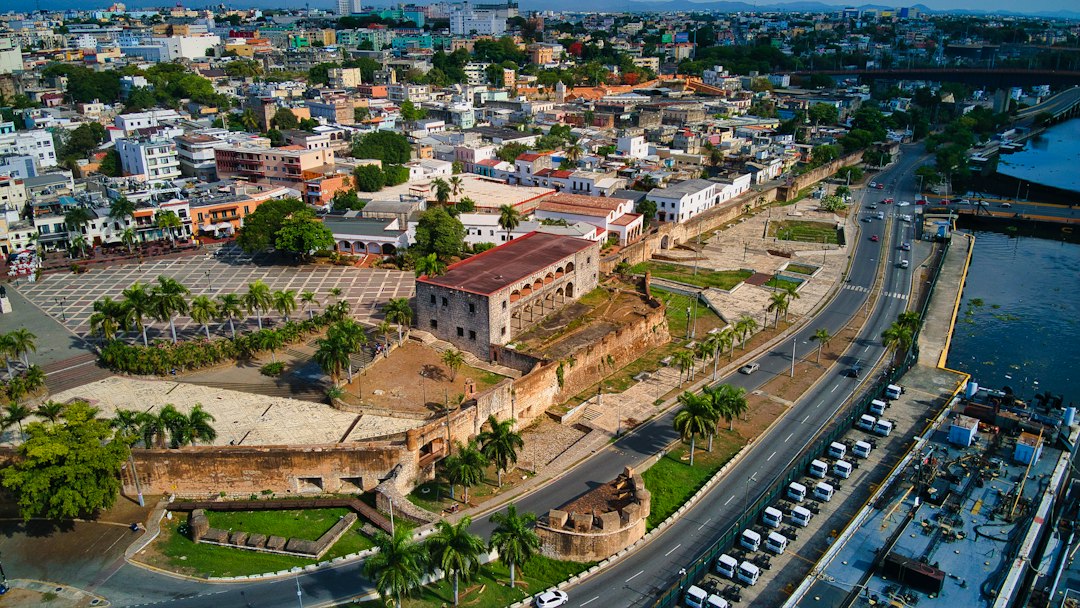
Historic Santo Domingo is rich in public life and architecture. The official tourism site highlights landmarks including the Cathedral, Alcázar de Colón and Calle Las Damas. The area makes it possible to spend time with a genuine cultural setting rather than commute to every sightseeing opportunity.
Older buildings can have different floor plans, ventilation, stairs and sound insulation. Ask whether the particular apartment has a real workstation, stable Wi-Fi, reliable cooling and the power arrangement you need. If you take late calls, check the sound from restaurants, street activity or nearby nightlife. Historic charm is an advantage only when it remains livable during your normal week.
Piantini, Naco and other central districts: compare total convenience
Modern residential and business areas merit consideration if you want indoor work, groceries, gyms, appointments and services close together. Do not assume a modern tower is automatically a better workspace. Unit-level Wi-Fi, construction noise, visitor policy and backup electricity still determine whether it functions for your schedule.
A useful test is to map five journeys from each candidate property: airport arrival, groceries, a backup workspace, a place you expect to visit socially and a cultural destination. Price the entire month rather than just advertised nightly rent. Deposits, cleaning charges, utilities and ride-hailing can erase what looked like a savings.
How to evaluate the working environment
- Ask for a recent internet test from inside the exact apartment during the hours you need it.
- Check what the building does during a power interruption, and whether the backup covers the apartment rather than only elevators or common areas.
- Verify air-conditioning, chair height, a proper work surface and sufficient lighting.
- Inspect mobile signal indoors and establish a second data connection where needed.
- Confirm nearby cafés or paid workspaces in case the apartment becomes unusable for a call.
- Get the check-in procedure, building access details, full price and cancellation terms in writing.
For a flexible traveler, paying slightly more for a well-verified work setup can be a better decision than gambling on a cheap but vague listing. Ask permission before relying on a café for long video calls; a public venue is not a substitute for a secure private office when client confidentiality matters.
Use the city as a city—not a resort
Santo Domingo has a working urban rhythm. A month may include evenings along the waterfront, neighborhood restaurants, baseball or other cultural events, museums and historical walks. The official visitor materials are a good place to identify what interests you, then verify times and admission conditions with the attraction itself.
Resist the temptation to compress everything into the first three days. A more comfortable rhythm is one larger cultural outing per week and two small neighborhood explorations, with ordinary weekdays protected for work and recovery.
A first-week plan for a one-month visit
- Day 1: arrive during a manageable time window, use prearranged transport where practical and confirm apartment access.
- Day 2: test connectivity and backup power through a normal work block.
- Day 3: walk your everyday routes to groceries, pharmacy, laundry and an alternative workspace.
- Day 4: explore Ciudad Colonial or a museum at a pace that allows time to understand the place.
- Day 5: inspect a second district before extending beyond the initial booking.
- Day 6: test how you would travel after dark, including a reliable backup option.
- Day 7: compare the two actual rental choices in writing and choose your month deliberately.
Social plans and safety deserve the same preparation as work plans
The U.S. State Department’s Dominican Republic advisory calls for increased caution because of crime and specifically warns against secluded meetings with people known only online. Treat that as practical planning information, not an invitation to assume the worst about local residents.
When meeting someone new, choose a public location, arrange your own transportation, tell a trusted contact where you will be, and keep a route home independent of your companion. Respect people and local customs, use common sense about money and valuables and look up emergency services before you need them.
A simple monthly-budget framework
| Budget line | What to verify |
|---|---|
| Accommodation | Rent, taxes/fees, electricity, deposit and refund terms |
| Connectivity | Apartment internet, mobile data and a backup workspace |
| Transportation | Airport transfer plus normal weekday and social routes |
| Food and life | Groceries, eating out, laundry and incidental expenses |
| Resilience | Healthcare/insurance, emergency reserve and return-travel changes |
Do not trust a single generic “cost of living” number as a quote for your month. Build the estimate from listings and services that you can actually book, then add a contingency. See our realistic 30-day travel budget guide and long-stay rental checklist.
Bottom line
The best Santo Domingo base is the one that makes your everyday life workable while leaving room to enjoy the city. Start with a short booking, verify the actual workstation and building, compare two distinct districts and learn one comfortable routine. That is a stronger foundation than assuming a famous street or luxury amenity guarantees a good month.
Sources checked
- Dominican Republic Ministry of Tourism — Santo Domingo destination guide
- Santo Domingo municipal government — tourism and historic district
- U.S. State Department — Dominican Republic travel advisory
Travel and regulatory conditions should be checked again before booking. Reviewed October 2026.