


Hey, just so you know, some of the links on this site are affiliate links. That means I may earn a small commission if you buy something through them. It doesn’t cost you anything extra, and it helps me keep this site running. Thanks for your support!
Three days in Medellín should reveal more than its skyline and the promise of perfect weather. A useful itinerary looks at the city’s art and memory, its integrated transport system, and its public green spaces. Comuna 13 merits a thoughtful locally led visit, the Botanical Garden offers a different pace, and the Metro itself tells part of the story of how residents move through the Aburrá Valley.
Medellín also sits in a country for which the U.S. State Department currently advises Level 3: Reconsider Travel. Read that advisory and evaluate your circumstances before making a trip decision. This guide is a cultural planning framework, not a guarantee of safety or an invitation to ignore official warnings.
Three days at a glance
| Day | Theme | Core experience |
|---|---|---|
| 1 | Art, community and memory | Comuna 13 with a responsible local guide |
| 2 | Green city and public spaces | Botanical Garden and nearby cultural options |
| 3 | Metro, neighborhoods and food | Transit-supported neighborhood exploration |
Leave substantial flexibility for transport, weather, museum schedules and your comfort level. If current security conditions make a particular outing unsuitable, do not force it into the trip.
Day 1: Comuna 13 with context, not voyeurism
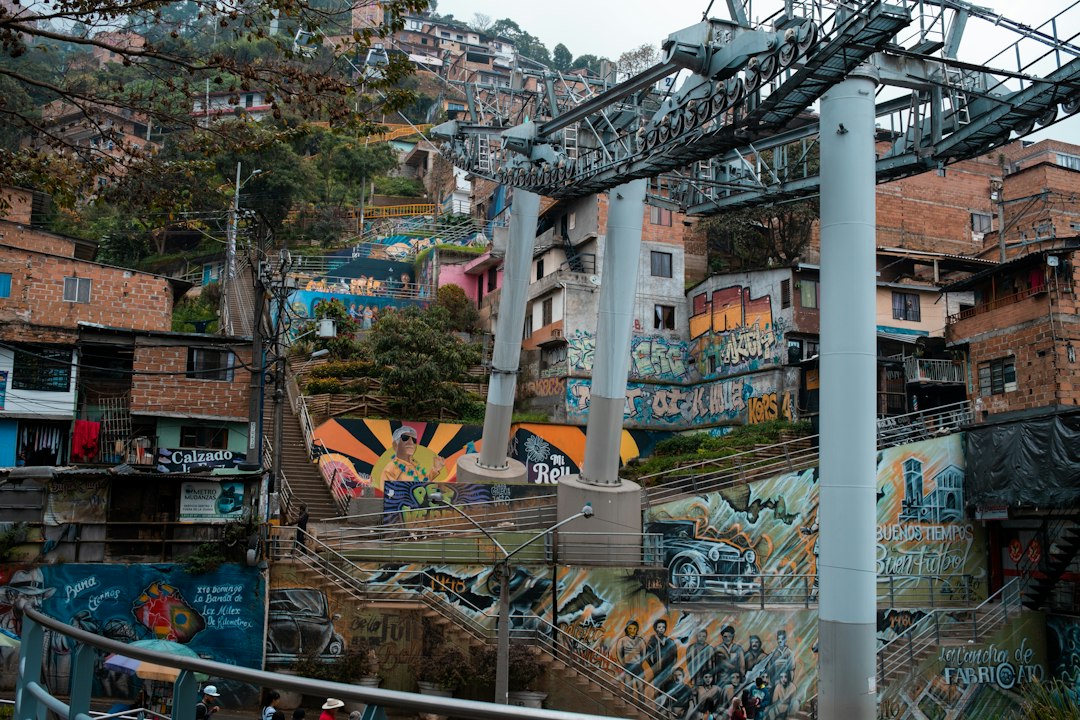
Comuna 13, which includes the San Javier area, has become known for urban art, public escalators and stories of community transformation. The city’s official destination platform offers background on the area and how to reach it. The important distinction is to treat the visit as an opportunity to learn from local residents rather than to consume a simplistic “danger turned cool” narrative.
Research a legitimate locally led tour that can explain the area’s history, mural meanings and contemporary community life. Ask who provides the tour, what community benefit it supports, the meeting point and the practical walking conditions. Consider whether your guide has a thoughtful approach to discussing displacement, violence, memory and tourism impacts.
The official Medellín tourism site identifies San Javier Metro station as an access point, with onward local transport needed for some tour locations. Check current station, bus and guide directions rather than relying on an old fare quote.
Day 1: choose one additional activity, not six
After the tour, leave room to absorb what you learned. A simple meal and a return to your lodging may be more valuable than squeezing in a separate cross-city attraction. If you continue exploring, use a route that fits the day’s daylight and weather, with independent transportation and clear return arrangements.
Day 2: Medellín Botanical Garden and a slower rhythm
The official Medellín Botanical Garden guide describes the Garden’s green environments and architectural Orquideorama. It is a compelling contrast with urban mural walks: an opportunity to understand environmental space within the city rather than accumulate another busy commercial venue.
Allow time to explore selectively. Nearby cultural attractions such as Parque Explora can be considered if they match your interests and operating schedules, but do not assume a bundled ticket, open gallery or specific exhibition without checking the individual institution.
Day 3: understand the Metro as part of the experience
Medellín’s public transport is a combined system of rail, Metrocable, tram and integrated buses. Its official information is valuable both for practical movement and as a window into the city’s geography. Look at how stations sit along the valley and how hills shape connections. A short transit-based outing, paired with one specific neighborhood destination, is usually more rewarding than treating the network as an endless sightseeing ride.
Use the official Metro de Medellín website for current line status, fare rules and travel requirements. Follow posted etiquette, keep belongings secure and respect the system’s role in residents’ commutes.
Food and culture without a generic “best restaurant” claim
Medellín’s food culture deserves more than a copied list of the busiest restaurants. Consider a neighborhood market, a local culinary tour or a café with an opportunity to understand regional ingredients. If a dish is unfamiliar, ask its name and preparation instead of assuming that its appearance tells the whole story.
Culture isn’t limited to museums and murals. Neighborhood life, music, conversations and everyday mobility contribute to an authentic visit—but always remember that these are people’s homes and workplaces, not a stage.
How to book a tour responsibly
- Confirm the organizer is legitimate and that the advertised guide actually leads the visit.
- Ask what historical interpretation the experience provides beyond photograph stops.
- Confirm route difficulty, steps, accessibility and weather backup plans.
- Discuss whether photography is welcome in particular locations and ask people before taking close portraits.
- Verify the exact meeting point and route home independently.
- Avoid tours marketing the suffering of local people as entertainment.
Where to stay and how to move
If your trip is only three days, choose lodging based on a reasonable route to the attractions you intend to visit and the availability of a reliable return plan. A well-known neighborhood name does not prove that an individual block or property suits you. Consider transit links, stairs, nightly noise and actual door-to-door time.
Longer visits are a different decision; the Medellín digital nomad neighborhood guide covers workability, apartments and recurring journeys. Don’t book a 30-day lease solely because you liked one cultural afternoon.
Safety cannot be reduced to a trendy neighborhood
The U.S. State Department’s Colombia travel advisory documents significant crime and kidnapping risks, including crimes targeting visitors. Check the full current advisory, local conditions and any travel restrictions before booking. Avoid spontaneous changes that leave you isolated or dependent on unfamiliar people for transportation.
If you choose to visit despite the Level 3 advisory, keep your accommodation details protected, maintain contact with trusted people, avoid displaying valuables and consider competent local guidance. A successful past visitor story does not replace risk assessment.
What if you have an extra day?
Use it to deepen one interest—local art, a museum, coffee culture or a natural setting that can be reached responsibly—rather than collecting another dozen unconnected pins. Verify any excursion’s route, operator, weather and current safety situation. Good travel plans leave room for learning.
Bottom line
A culturally rich Medellín itinerary balances locally led interpretation, the green city and understanding its transit and geography. Three focused days can offer more insight than a rushed checklist, provided you make a careful decision about current travel risks first.