


Hey, just so you know, some of the links on this site are affiliate links. That means I may earn a small commission if you buy something through them. It doesn’t cost you anything extra, and it helps me keep this site running. Thanks for your support!
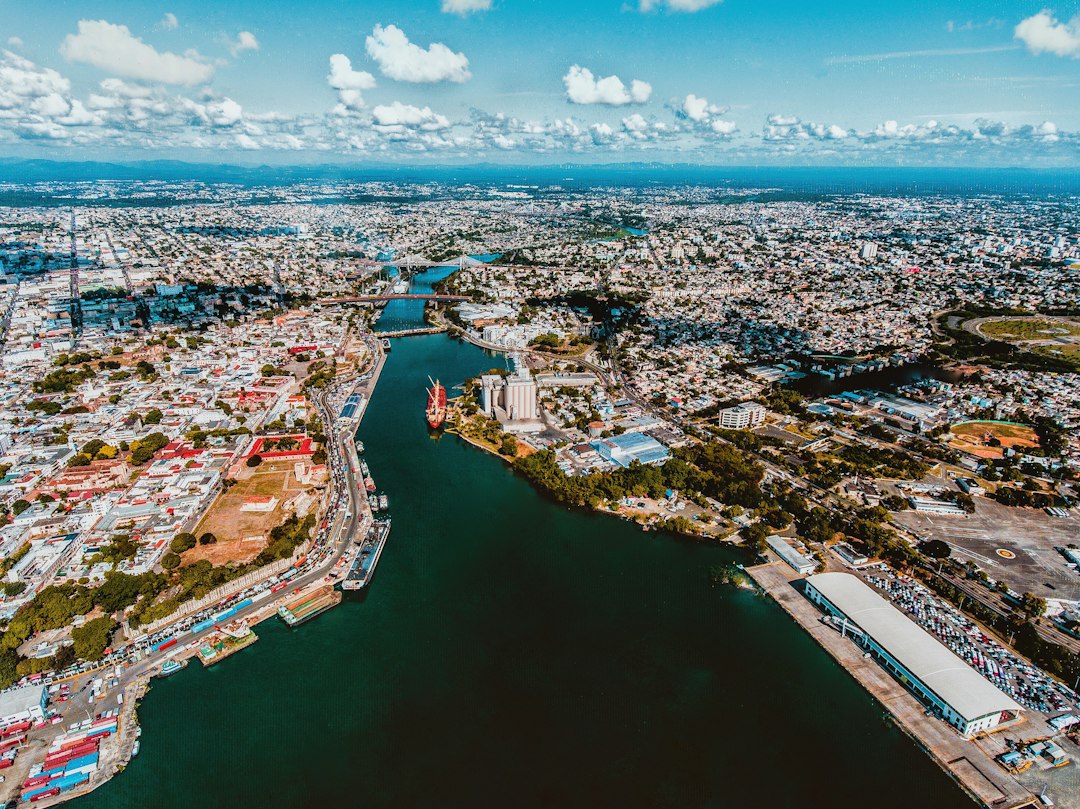
Santo Domingo’s social life is broader than bars and resort-style nightlife. Dominican music, dining, historic squares, museums and everyday neighborhood activities offer ways for a visitor to understand the capital and meet people respectfully. The best longer-stay strategy combines cultural curiosity with a realistic evening transportation and safety plan.
This guide is aimed at independent travelers spending more than a rushed weekend in the Dominican Republic’s capital. It discusses dating and new social connections because those can be part of a trip, but it does not promise a particular outcome, stereotype Dominican residents or treat anyone as a tourism product.
Start with the kind of city life you actually enjoy
Visitors interested in historic streets, cafes and music may enjoy spending time around Ciudad Colonial, while other activities can draw them into different modern districts. Santo Domingo is a real working capital, and your hotel or rental location determines how easy a social outing will be once the evening ends.
Choose two recurring types of activity—for example, a music class and a cultural walk—before filling your schedule with late nights. That gives the trip a rhythm even when no particular social introduction occurs. Our three-day Santo Domingo cultural itinerary is a good introduction to the city’s historical context.
Learn about merengue and bachata without treating the music as a cliché
Music and dance are meaningful aspects of Dominican cultural life, but individual tastes vary. A beginner class or reputable live-music event can be a more thoughtful way to participate than arriving at a venue with assumptions about how residents should act. Check the organizer’s schedule, teaching level and whether visitors can attend without a partner.
Ask questions, listen and follow venue etiquette. A dance invitation is not a promise of romantic interest. If someone declines, respect it. The goal is to enjoy the cultural experience and communicate clearly, not to count interactions.
Ciudad Colonial: evening atmosphere with a plan
Historic Santo Domingo is home to important landmarks, plazas and visitor-oriented services. It can be attractive for a meal or cultural event after sightseeing. The government’s official city guide provides destination context and makes clear that the capital includes both colonial history and contemporary urban life.
Before choosing an evening venue, look up the exact location and current hours; understand the walk or transport route back. Streets and business schedules can change. A well-known entertainment district is not an assurance that every venue or journey is appropriate for every visitor.
The practical first-meeting protocol
The U.S. State Department’s Dominican Republic advisory explicitly warns that U.S. citizens have been robbed by people first encountered on dating applications. It recommends meeting strangers in public places and avoiding secluded locations. This is a real official warning that deserves weight in travel decisions.
- Independently identify a public venue and check its location, opening and transport options.
- Share your general plan with a trusted contact and establish a check-in point.
- Organize your own way to and from the venue; avoid surrendering control of the return journey.
- Keep accommodation details and payment credentials private during initial conversations.
- Do not lend money, send investments or pay unverified emergency bills for a new online contact.
- Leave if the meeting is moved without consent to a private or unfamiliar setting or you feel pressured.
No checklist eliminates danger. Current local guidance, judgment and the option to decline an invitation remain important.
Understand the wider advisory, not just the dating-app section
The State Department currently classifies the Dominican Republic at Level 2—Exercise Increased Caution—because of crime. It notes violent crime risk, which can affect residents and visitors, and recommends securing valuables and avoiding conspicuous displays of wealth. Read the advisory in full, including information on identity documents, protests and assistance for victims.
Visitors should be aware that the advisory also discusses Dominican migration-enforcement operations and warns of some U.S. citizens being mistakenly detained after being identified as Haitian migrants. Follow current official travel advice about identity documents, cooperate with lawful requests and contact consular authorities if you are detained. This is an important travel-safety detail that a simplistic nightlife list may omit.
Culture and consent matter to both visitors and residents
Learn courteous Spanish, respect the privacy of people you meet and don’t assume that every friendly conversation is an invitation. Dominican people have different relationships, beliefs and plans. Avoid generalizations that divide local communities by gender, ethnicity, nationality or presumed economic status.
Be transparent about whether you are visiting for a week or considering a longer stay. If you cannot communicate clearly about expectations, slow down rather than inventing mutual understanding. Good boundaries make travel interactions more respectful.
A week of social activities that doesn’t cost a fortune
| Occasion | Example plan | Boundary or planning check |
|---|---|---|
| Weekday afternoon | Museum or historical neighborhood walk | Confirm opening and safe return route |
| One evening | Dance class or organized music event | Check legitimate organizer and price |
| Weekend daytime | Food or cultural excursion | Verify local operator and transportation |
| Another evening | Meal with acquaintances in a public venue | Keep independent transport and payment |
| Recovery day | Ordinary errands and rest | Protect work, sleep and your budget |
Remember: this is a flexible planning pattern, not an events calendar. Verify actual activities for your dates.
Choose a base that supports your normal week
Long-term rental decisions should follow practical tests of Wi-Fi, building entry, utilities, noise and daily transport, not the attractiveness of one late-night outing. Our Santo Domingo remote-work guide can help you evaluate a month-long base. If you are comparing the capital with the north coast, read our Santo Domingo versus Puerto Plata guide as a separate decision.
Should Santo Domingo be your destination for a month?
If your priorities include urban history, food and Dominican cultural life, the capital merits thoughtful research. If you mainly want beach days, a different base may better fit your daily schedule. In either case, make the destination itself worth the trip; any personal connection is an individual possibility, not a guaranteed service.
Bottom line
Enjoy music, history, food and neighborhood life while preserving independent transport, financial boundaries and respect for people. Know the official crime and dating-app warnings before making plans, and don’t let expectations about nightlife eclipse the rest of the city’s culture.