

Hey, just so you know, some of the links on this site are affiliate links. That means I may earn a small commission if you buy something through them. It doesn’t cost you anything extra, and it helps me keep this site running. Thanks for your support!
A month in Buenos Aires gives you time to appreciate tango, language and neighborhood culture beyond the fast pace of a four-day sightseeing trip. Palermo, Recoleta and San Telmo offer different social settings, but their reputations cannot tell you where you will feel comfortable after repeated workdays and ordinary errands.
This guide is about building a thoughtful social routine. It explains how to participate in dance and language activities, approach local culture respectfully, manage first meetings and balance work with travel. It does not promise dating outcomes or generalize the intentions of Argentine residents.
Start with a routine, not a nightlife ranking
Choose two recurring activities during your first week: perhaps a language class and a cultural event. Add a café, walking route or exercise routine that fits the area around your lodging. Regular participation makes it easier to learn the city, meet people through shared interests and avoid the pressure to manufacture a new social experience every night.
If you work with clients abroad, protect those hours first. A longer stay can lose its value quickly when late evenings and long commutes disrupt your sleep and work. Keep one or two evenings free for planned cultural activities rather than assuming you need an event every night.
Tango as culture, not an entitlement to dance
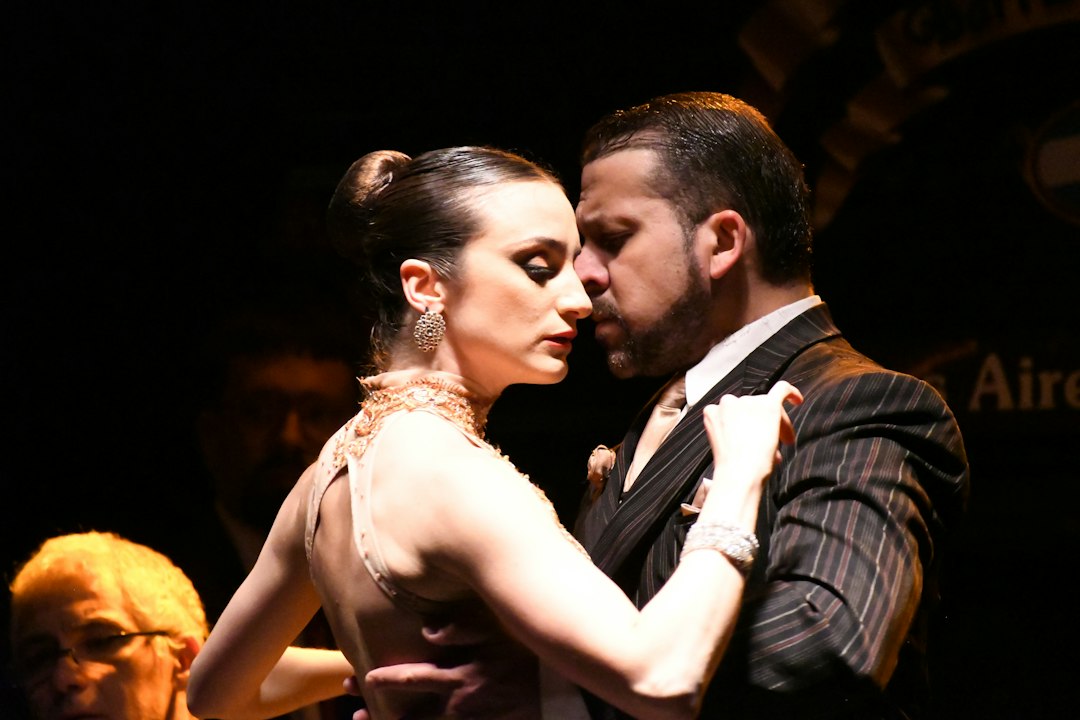
Buenos Aires is strongly associated with tango, including music, dance halls, lessons and performances. An introductory class can help a visitor learn etiquette before attending a social dance event. A milonga has its own conventions and may be very different from a tourist stage show.
Check whether an event welcomes beginners, if a class is included, the language of instruction and any dress expectations. Respect invitations and refusals, the other dancer’s comfort and venue rules about photography. Dance is a shared cultural practice, not a guarantee of romantic attention.
San Telmo: history, antiques and cultural encounters
The official city tourism authority describes San Telmo’s older streets and cultural traditions. Its cafés, markets and historical settings can be a rewarding way to explore, particularly when paired with a museum or guided heritage activity.
Some streets are lively during markets or weekend events and quieter on other days. Before accepting a social invitation, know the precise venue and plan transport home. A district’s cultural appeal should not be confused with a universal safety guarantee.
Palermo and Recoleta: different everyday rhythms
Palermo includes multiple subareas with parks, dining, galleries and commercial activity; Recoleta offers museums, architecture and residential streets. Both can support a longer visit, but the street and building matter more than the label. A late-night bar area may be a poor choice for someone who regularly takes early client calls.
Choose activities that make sense from your actual accommodation. Our Buenos Aires neighborhood guidecan help with apartment and commute decisions, while our four-day itineraryprovides a short-visit cultural route.
Learn enough Spanish to participate respectfully
A small amount of practical Spanish can improve shopping, directions, classes and social conversations. Language varieties and local expressions may differ from those in textbooks; approach misunderstandings with curiosity rather than embarrassment. A respectful question is better than pretending you understood something important.
Ask before photographing people at a dance class, market or café. Recognize that local workers and residents have their own schedules and boundaries; friendly service is not a personal invitation. Treat both friendships and dating as interactions between individuals rather than cultural assumptions.
Meeting someone new safely
For a first meeting arranged online or through a social activity, independently research a public venue, organize your own transportation and tell a trusted person your plans. Keep exact lodging details, account access and financial information private until trust has developed.
A new contact who insists on money transfers, unplanned companions or an isolated setting is creating a reason to reconsider. You can leave or decline without needing to justify your decision. Those are general precautions for urban travel, not judgments about Argentine people.
Seven days of cultural immersion
| Day | Activity | Practical note |
|---|---|---|
| 1 | Learn your neighborhood and make a short grocery circuit | Confirm accommodation and transport |
| 2 | Visit a museum or historic landmark | Check admission and opening |
| 3 | Attend a beginner tango or language class | Verify organizer and etiquette |
| 4 | Rest, work and exercise | Protect productivity and sleep |
| 5 | Explore a different neighborhood in daylight | Know your return route |
| 6 | Attend a legitimate group cultural event | Plan budget, timing and transport |
| 7 | Review which activities you want to repeat | Build a sustainable monthly routine |
This schedule is illustrative, not a claim that a class operates at these times. Use current event calendars and venue information.
Don’t let nightlife dominate your budget
For a long stay, frequent restaurant meals, paid classes and late return rides add up. Compare those costs with ordinary groceries, public transport, mobile data, workspace fees and rent. Plan a monthly leisure budget you can sustain without using credit for every social outing.
If you work remotely, also check the legal entry status appropriate for your circumstances. Argentina has a temporary digital-nomad residence route for certain eligible foreign-paid workers; see our Argentina residency guide before treating a tourist visit as blanket work permission.
Safety and city awareness
Consult the current U.S. State Department Argentina advisory, local guidance and venue information. Keep valuables discreet, maintain independent transport after dark and avoid assuming a crowded visitor district removes theft risk. If an event ends late, plan your return before the evening begins.
How to evaluate the month after the first week
Ask whether you can reliably work, sleep, eat well, move safely, participate in cultural activities and remain within budget. If the neighborhood or apartment undermines those basics, change the base rather than adding more social events. A month abroad is successful when its ordinary days work—not because every evening produces a memorable story.
Bottom line
Buenos Aires’ cultural depth rewards curious, respectful longer-stay travelers. Tango, language and recurring activities can make the experience richer, provided you maintain financial boundaries, realistic work hours and independence in new social relationships.