


Hey, just so you know, some of the links on this site are affiliate links. That means I may earn a small commission if you buy something through them. It doesn’t cost you anything extra, and it helps me keep this site running. Thanks for your support!
Lisbon or Porto for a month of remote work? Both are compelling Portuguese cities, but the better choice is the one that makes your weekday routine comfortable—not whichever appears cheapest or most picturesque in a short video. Lisbon offers a larger capital-city environment, while Porto combines its own urban culture with a different scale and Douro River setting. Neither city can be assigned a permanent price or safety score without specifying the neighborhood and property.
This comparison focuses on workability, total housing costs, transit, cultural life and a realistic one-week trial. It also keeps immigration and tax questions separate from apartment selection, because eligibility for a Portuguese remote-work visa is not determined by which city you prefer.
The quick comparison
| Decision factor | Lisbon | Porto |
|---|---|---|
| City character | Capital institutions, varied large-city districts, Tagus waterfront | Douro waterfront, compact historic districts and strong local culture |
| Transport research | Metro, buses, trams and hill-aware routes | Metro, buses, rail and steep historic-center walking |
| Apartment selection | Noise, hills, transit distance and total fees | Stairs, historic-building condition, work setup and total fees |
| Weekday work | Property Wi-Fi, indoor mobile data and backup workspace | The same unit-level tests |
| Culture | Fado, museums, neighborhoods and regional excursions | Architecture, food, river history, arts and northern excursions |
This is a decision framework, not a measured ranking. Each city contains neighborhoods with very different practical advantages.
Lisbon: a capital-city range of choices
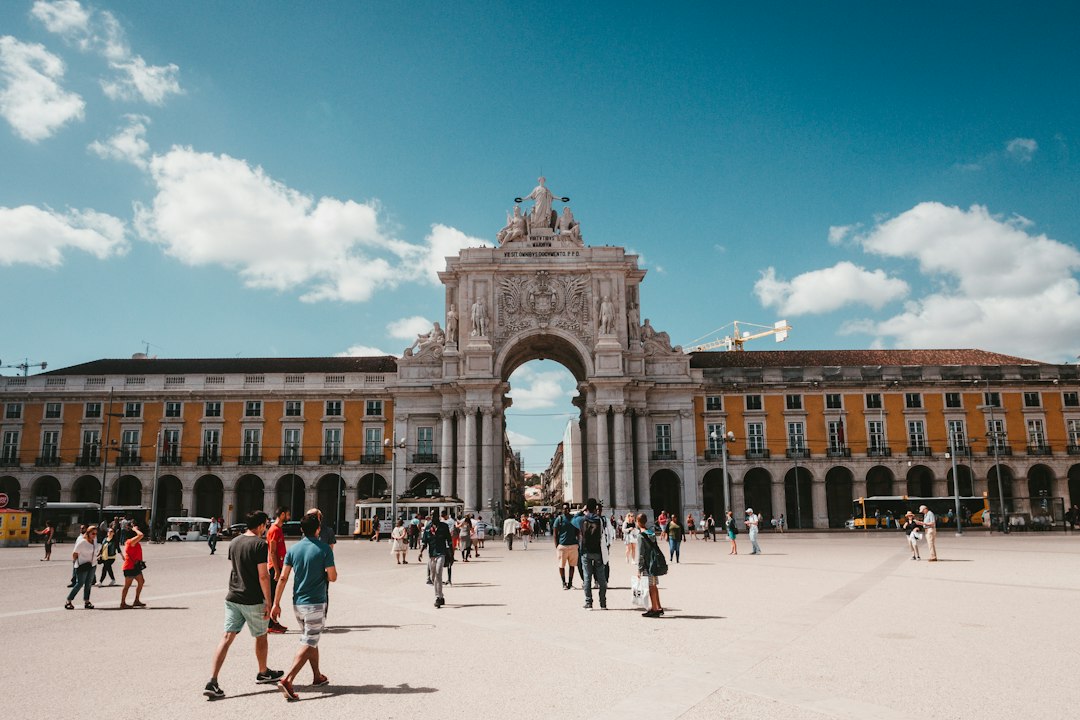
Lisbon’s appeal includes historic districts such as Alfama and Baixa, contemporary areas, museums, cafés and a broad range of activities. The official tourism site provides a useful starting point for cultural discovery. Yet living near a famous attraction can create steep daily walks, significant visitor traffic or noise that a weekend visitor may not notice.
For a month, choose the places you expect to reach every week: supermarket, pharmacy, a quiet backup workspace, exercise, culture and public transport. Then compare three actual properties with those routes mapped. A property advertised as “central Lisbon” may not be practical for your normal work schedule.
Porto: river culture plus everyday living
Porto is known for its historic center, São Bento, Ribeira, the Dom Luís I Bridge and nearby Gaia. These are excellent places to explore, but a month-long base need not sit directly on the busiest visitor street. Neighborhood options beyond the core can offer different patterns of housing, transport and noise.
The official destination portal and Metro do Porto can help map transport. A steep historic street that looks charming in photos may create accessibility concerns with luggage or long days; ask about elevators, stairs, heating, desk height and noise.
What do U.S. business hours look like?
Both cities use the same Portuguese mainland time zone, with seasonal daylight-saving changes. Therefore, one is not inherently easier than the other for a New York-based client calendar. You will usually work later locally when following U.S. business hours, although daylight-saving transition weeks create short-term differences in offset.
When you evaluate a rental, confirm the neighborhood’s evening noise and whether a backup workspace operates during your real meetings. A pleasant café open in the morning does not solve a late-evening confidential client call. Our time-zone guideexplains how to model the specific dates.
Which city is actually less expensive?
You cannot answer this reliably by comparing a luxury apartment in Lisbon with a basic room in Porto. Get actual quotes for matched properties, similar dates and similar work facilities. Add utilities, taxes, deposits, cleaning, grocery routes, data plans, transit, workspaces and contingencies.
A lower rent that forces frequent paid transfers may deliver less value than a slightly more expensive property with walking access to everything you use. Seasonal demand and booking length also matter. Use quote-based totals, not generic “cost of living $X” graphics.
Everyday transit rather than sightseeing transport
Lisbon and Porto both have public-transport networks, but individual routes have different coverage and operating hours. Compare your most repeated journeys, not only the airport-to-hotel route. Use the Lisbon Metro and Metro do Porto services to identify appropriate stations and transfers.
Consider late returns, rainy weather and the energy cost of hills. A map showing that two destinations are 700 meters apart may conceal a steep climb or stairway.
Try culture before deciding on the month
Lisbon’s music and arts may suit some people; others may feel more comfortable with Porto’s architecture, food scene and river history. Neither preference is objectively superior. Take at least one local museum or guided cultural activity in each city and see which inspires you to return regularly rather than only on holiday.
Visitors should respect residential neighborhoods and choose legitimate local operators. Social media often frames a city by its nightlife or photo locations while ignoring the ordinary work and community rhythms that dominate longer stays.
Portugal’s remote-work visa applies across the decision
Portugal’s qualifying digital-nomad route is based on foreign-paid work and immigration requirements, not on Lisbon or Porto specifically. Do not assume a tourist stay grants a long-term right to work remotely. Our Portugal remote-work visa guideexamines the documentary process; get current answers from the responsible consulate and AIMA before signing a long lease.
A seven-day two-city evaluation
- Choose two or three specific rental candidates in each city.
- Match their full quoted costs and actual work facilities.
- Spend several normal workdays in your first base, testing connectivity and sleep.
- Map recurring groceries, exercise and transport rather than only tourist attractions.
- Visit the other city with enough time for an ordinary weekday, if feasible.
- Compare workability, neighborhood enjoyment and all-in costs in writing.
- Extend the property that meets the strongest nonnegotiable requirements.
Who might prefer which?
If you regularly require capital-city meetings and a wider range of urban activities, Lisbon may merit first consideration. If you prefer a smaller-feeling daily circuit and the Douro setting, Porto may appeal more. These are hypotheses to test, not objective winners.
Bottom line
Choose Lisbon or Porto by the actual apartment, routes, schedule and experiences you value. A good remote-work month depends on details that neither a city ranking nor an inspiring skyline can prove.