


Hey, just so you know, some of the links on this site are affiliate links. That means I may earn a small commission if you buy something through them. It doesn’t cost you anything extra, and it helps me keep this site running. Thanks for your support!
Roma Norte and Condesa are two common starting points for a month in Mexico City, but choosing by reputation alone is a mistake. Both have restaurants, parks, galleries and visitor activity. Their real value to a remote worker depends on the specific street, building and workday commute.
The Mexico City government’s official Roma and Condesa guide treats them as adjacent but distinct areas, with Avenida Insurgentes creating an important geographic reference. This guide compares what to investigate, not which place is categorically safer, cheaper or friendlier.
Roma Norte: exploration and the exact building
Roma Norte is associated with restaurants, art spaces, galleries and a broad urban social scene. That might appeal if you want to walk to new venues between work sessions. But an apartment above a busy restaurant can create a different experience from a residential side street only a few blocks away.
Before booking, request a walkthrough of the actual room with windows open and closed. Ask about evening sound, internet, mobile reception and desk availability. A listing near Avenida Álvaro Obregón may be convenient for some outings but not ideal for someone requiring quiet late-night calls.
Condesa: green walking routes and activity
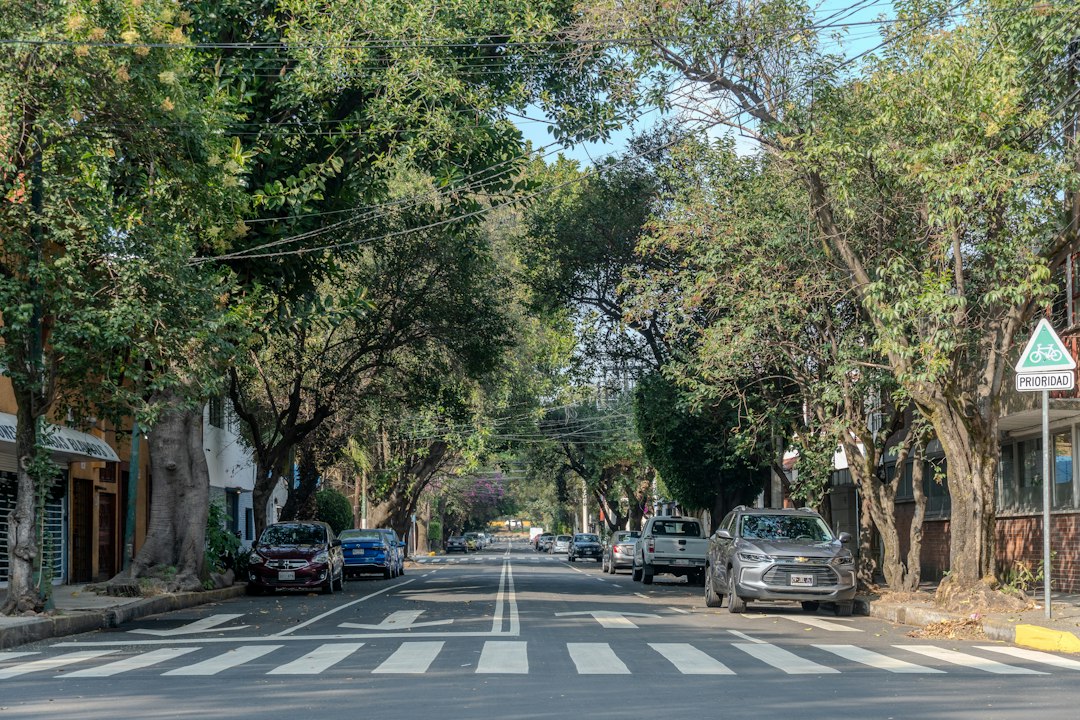
Condesa’s parks, tree-lined streets and local dining may appeal to people seeking a pleasant daily walking circuit. But proximity to a park does not prove an apartment has adequate light, reliable internet or quiet nights. Events, traffic and particular commercial blocks can change the atmosphere.
Test the real walk to supermarkets, transit and a backup coworking venue. A pleasant Sunday stroll does not tell you whether your Friday evening transport route is manageable.
A side-by-side decision grid
| Decision | Roma Norte | Condesa |
|---|---|---|
| Culture and cafés | Explore galleries and restaurants near your actual address | Explore parks, cafés and food streets on your likely circuit |
| Work | Check noise near active restaurants and traffic | Check park/event noise and unit-level connectivity |
| Transport | Test the route to a useful Metro/Metrobús stop | Test connections from the exact rental street |
| Housing | Compare desk, power, fees, building access | Compare the same measurable features |
| Safety | Consult current official advice and block-level conditions | Do the same; do not assign a blanket neighborhood score |
What your landlord should demonstrate
- A recent video of the specific unit, including desk and chair.
- Real connection and a backup data option usable indoors.
- All rent, utility, cleaning and deposit terms in writing.
- Cancellation and guest policies appropriate to your stay.
- Natural and artificial lighting during your expected work hours.
- Current access to groceries, pharmacies and transport.
- How the building handles entry and emergencies.
Make the decision using a normal Tuesday
Map your five recurring activities: working, groceries, exercise, dinner, and an appointment or social hobby. Calculate travel time from the candidate rental, not the approximate center of the neighborhood. Put both properties through the same real test and compare the resulting schedule.
Monthly budget: don’t compare mismatched rentals
A furnished visitor apartment and a local long-term lease serve different markets. Ask for total amounts in the same currency and term, with taxes and fees identified. Then add mobile data, coworking, food, transport, leisure and contingency. Exchange rates change; a blog’s old dollar amount cannot substitute for two current quotes.
Cultural participation without treating residents as attractions
Both neighborhoods contain real communities, not simply locations for nomad content. Support local businesses where sensible, respect building quiet hours and avoid photographing residents without permission. If a short-term rental affects neighbors, follow the building’s rules and consider accommodation designed for visitors.
The city’s official walking and site guideprovides wider urban context for neighborhoods, public spaces and culture.
Check the legal and safety basics
Consult current Mexican entry requirements for your nationality and stay length. Remote work arrangements can raise immigration and tax questions separate from the apartment booking. Review the current Mexico travel advisory and localized notices, plan independent transportation and use ordinary urban precautions.
Try both before committing
For a flexible first visit, take short stays or spend meaningful workdays around each neighborhood before extending a lease. Test morning and evening conditions. If one apartment fails your connection or noise criteria, eliminate it even if you love the neighborhood. Your working life will occur inside a particular unit, not a promotional district map.
Bottom line
Roma Norte may appeal to people wanting an active cultural circuit; Condesa may appeal to people who value green spaces and neighborhood walks. Neither automatically wins. Choose the specific rental that delivers dependable work, comfortable errands and a manageable budget.