


Hey, just so you know, some of the links on this site are affiliate links. That means I may earn a small commission if you buy something through them. It doesn’t cost you anything extra, and it helps me keep this site running. Thanks for your support!
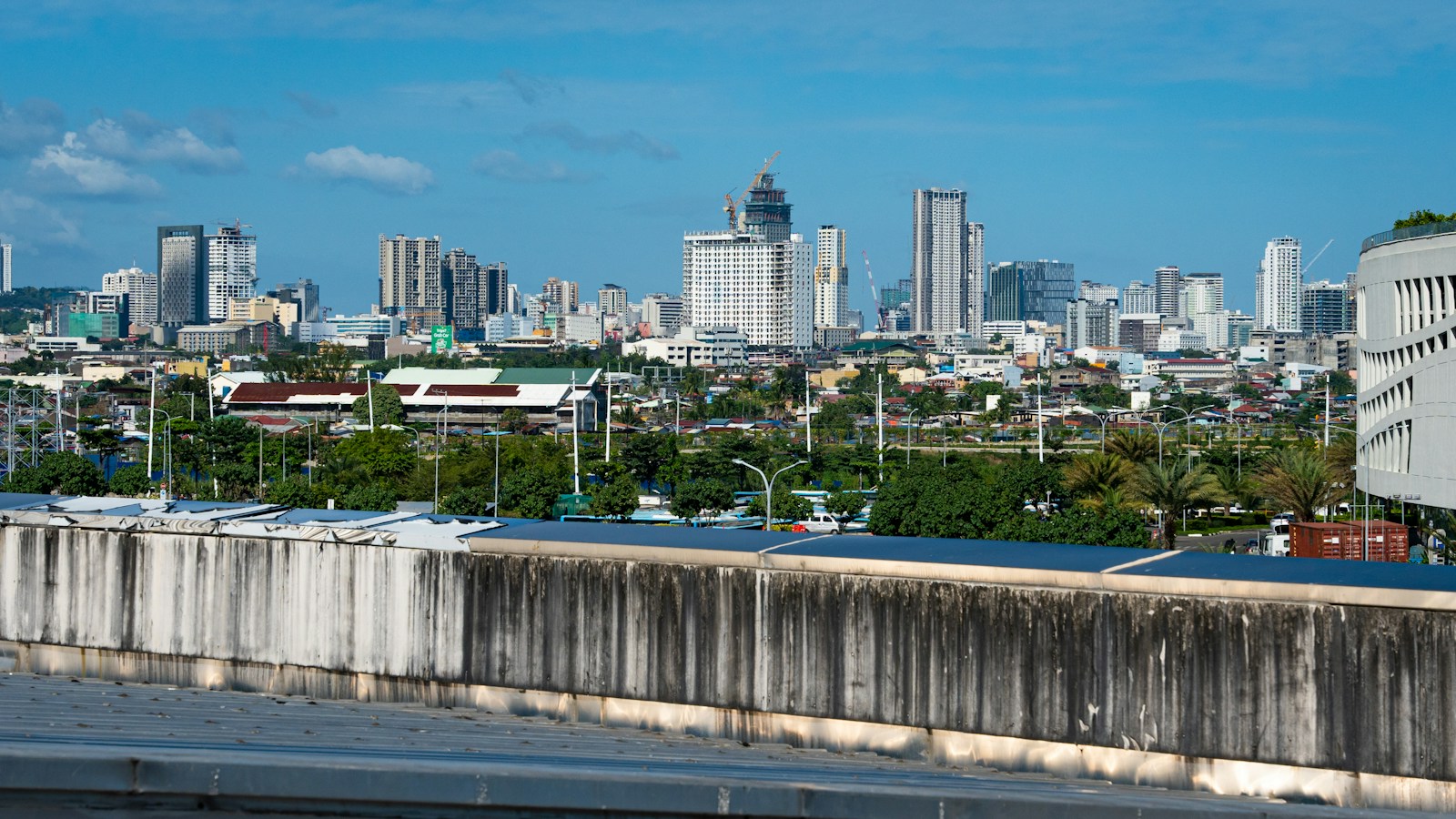
Cebu can work very well as a digital-nomad base, but the quality of the experience depends more on your exact neighborhood, building and connectivity plan than on the island’s reputation. Cebu City gives remote workers the deepest mix of services, food, malls and work-friendly neighborhoods, while Mactan puts you closer to the airport and resort coastline. The practical move is to choose your base around the workday you actually have, verify internet at the exact address, and keep a mobile backup before signing a longer stay.
This guide focuses on the decisions that matter after the vacation photos: where to base yourself, how to vet an apartment, how to protect video calls and deadlines, how to move around, and how to leave enough room for the beaches, food and culture that make Cebu worth choosing in the first place.
Is Cebu a good digital-nomad base?
For many remote workers, yes. Cebu combines a major urban center with an international airport, dense commercial districts, access to beaches and islands, and a growing fiber-internet footprint. In September 2026, Globe announced that its GFiber Prepaid service had expanded its on-demand installation model into Cebu, while stressing that installation is still subject to serviceability. That detail is the right mindset for remote workers: citywide availability does not guarantee that a particular condo, street or unit will deliver the connection you need.
Cebu is also not one single experience. A month in a condo near Cebu IT Park is very different from a resort-oriented stay in Mactan or a quieter residential pocket farther from the commercial core. Start by deciding whether your priority is walkability to daily services, airport access, nightlife, quieter evenings, or quick access to leisure trips.
Choose the right part of Cebu for your workday
Cebu IT Park and nearby Lahug
This is the easiest starting point for a first remote-work stay if you want restaurants, cafes, supermarkets and business activity close together. It is a practical choice for people who do not want every meal, errand or meeting to require a long ride. The tradeoff is that a busy commercial district can mean more traffic, more street activity and less of the beach-resort atmosphere people imagine when they hear “Cebu.”
Banilad and nearby residential areas
These areas can suit travelers who want a more residential rhythm while remaining within reach of major commercial districts. When comparing units, do not judge only by map distance. Test the actual route at the time of day you expect to travel, because a short distance can still be a slow trip in urban traffic.
Mactan and Lapu-Lapu
Mactan makes sense if airport convenience and coastal leisure matter more than being in the middle of Cebu City’s business districts. It can be a strong choice for a traveler who works from home most of the week and values quick airport access, but it is less convenient if your daily life repeatedly pulls you into central Cebu City.
Vet the apartment before you pay for a month
A “work-friendly” listing is not enough. Before committing to a 30-day stay, ask for the exact internet provider, plan type, and a recent speed-test screenshot taken inside the unit. Confirm whether the connection is dedicated to the unit or shared across a building or guesthouse. Ask what happens during an outage and whether the property has backup power for the router and common areas.
Also check the basics that do not show up in a listing headline: a real desk or table at a usable height, a chair you can sit in for several hours, enough outlets near the work area, air-conditioning where you will actually work, natural light without screen-killing glare, and a quiet-enough background for calls. A beautiful apartment can become a poor work base if the only “desk” is a bar stool beside a kitchen counter.
For a reusable pre-booking checklist, see our Spotlight Trips Travel Resource Center.
Build a two-layer internet plan
For remote work, the best connection is not merely the fastest advertised plan; it is the setup that still lets you work when one layer fails. Use fixed fiber or a proven building connection as your primary line, then keep a separate mobile-data option from a carrier with usable coverage at your address. If your job depends on live calls, uploads or remote desktop sessions, test both before your first important workday.
Globe’s 2026 Cebu expansion is a useful sign that fiber options are broadening, but its own announcement makes serviceability conditional. Do not extrapolate a provider’s city-level marketing claim to your specific unit. Ask the host for proof, run your own test on arrival, and keep the backup funded and ready rather than waiting for an outage to set it up.
A simple arrival-day connectivity test
- Run a speed test near your actual desk, not beside the router.
- Join a short video call and watch for instability, not just headline download speed.
- Upload a medium-size file to test upstream performance.
- Test the connection during the hours you will normally work.
- Turn off Wi-Fi and confirm your mobile backup can handle essential work.
Use coworking as a backup, not an assumption
Cebu has had coworking options for years, but individual venues, hours and membership terms change. Rather than building your trip around an old “top coworking spaces” list, search the neighborhood you are actually considering, verify current hours and day-pass rules directly, and visit before buying a long package.
A coworking space is most valuable when it solves a specific problem: reliable calls during a building outage, separation between work and home, a meeting room, or social contact during a longer stay. If your apartment already has excellent internet and a real desk, paying for a full-time coworking membership may add cost without improving your workday.
Plan transportation around repeated trips
Your best Cebu neighborhood is the one that minimizes the trips you make repeatedly. Put your apartment, groceries, gym, preferred work backup and common dining options on a map before booking. Then identify the trips that still require a car or ride-hailing service. One long sightseeing ride on a weekend matters much less than a frustrating daily commute.
If you expect regular flights, Mactan’s airport access deserves extra weight. If you expect daily meetings or errands in Cebu City’s commercial core, the opposite may be true. Build your base around your weekly routine, not around a single attraction.
Leave room for Cebu beyond the laptop
A strong remote-work base should make leisure easier rather than forcing you to choose between productivity and travel. Cebu gives you urban food and culture, historic sites in the city, and access to beaches and island trips when work is finished. The practical approach is to protect your workdays and use planned blocks of free time for exploration instead of trying to squeeze major excursions between calls.
If a trip takes several hours each way, treat it as a day off or weekend plan. For shorter breaks, neighborhood walks, local food, museums and nearby waterfront time can give you the feeling of being somewhere new without turning every workday into a logistics exercise.
Do not confuse visitor status with permission to work
Entry permission, length of stay, tax residence and permission to work are separate questions. Rules can change and can depend on nationality, the source of your income and the kind of activity you perform. Before a longer stay, verify current requirements through official Philippine immigration or consular sources and get professional advice when your situation is not straightforward.
That distinction matters especially for people who plan to stay for months rather than weeks. A destination can be excellent for remote-work logistics while still requiring careful immigration and tax planning.
A practical seven-day setup plan
- Day 1: Test apartment Wi-Fi, mobile data, desk ergonomics and noise.
- Day 2: Locate groceries, pharmacy, ATM, laundry and a backup work location.
- Day 3: Run a normal workday before making any longer commitment.
- Day 4: Test your most common transportation routes at realistic times.
- Day 5: Decide whether coworking adds enough value to pay for it.
- Day 6: Plan one realistic leisure day without sacrificing the coming workweek.
- Day 7: Decide whether the neighborhood works for the next 30 days based on evidence, not first impressions.
Bottom line
Cebu’s strength is not that every part of the island is automatically perfect for digital nomads. Its strength is choice: urban convenience, airport access, coastal escapes and improving connectivity in the same metro region. Choose the neighborhood around your real work pattern, verify the exact apartment connection, keep a mobile backup, and you can enjoy Cebu without gambling your deadlines on vacation-style assumptions.