

Hey, just so you know, some of the links on this site are affiliate links. That means I may earn a small commission if you buy something through them. It doesn’t cost you anything extra, and it helps me keep this site running. Thanks for your support!
Three days in Manila are best organized around real geography and the city’s layered history. Manila is not only a gateway airport. Intramuros preserves physical evidence of Spanish colonial power and the struggle for independence; museums examine Philippine cultural life; nearby districts reveal a modern capital shaped by both local communities and international connections.
This itinerary gives a focused first visit rather than an impossible “see all Metro Manila” checklist. Check opening days, weather and security conditions before travel; Manila’s congestion makes an overly dense plan especially difficult.
Day 1: Intramuros and Fort Santiago
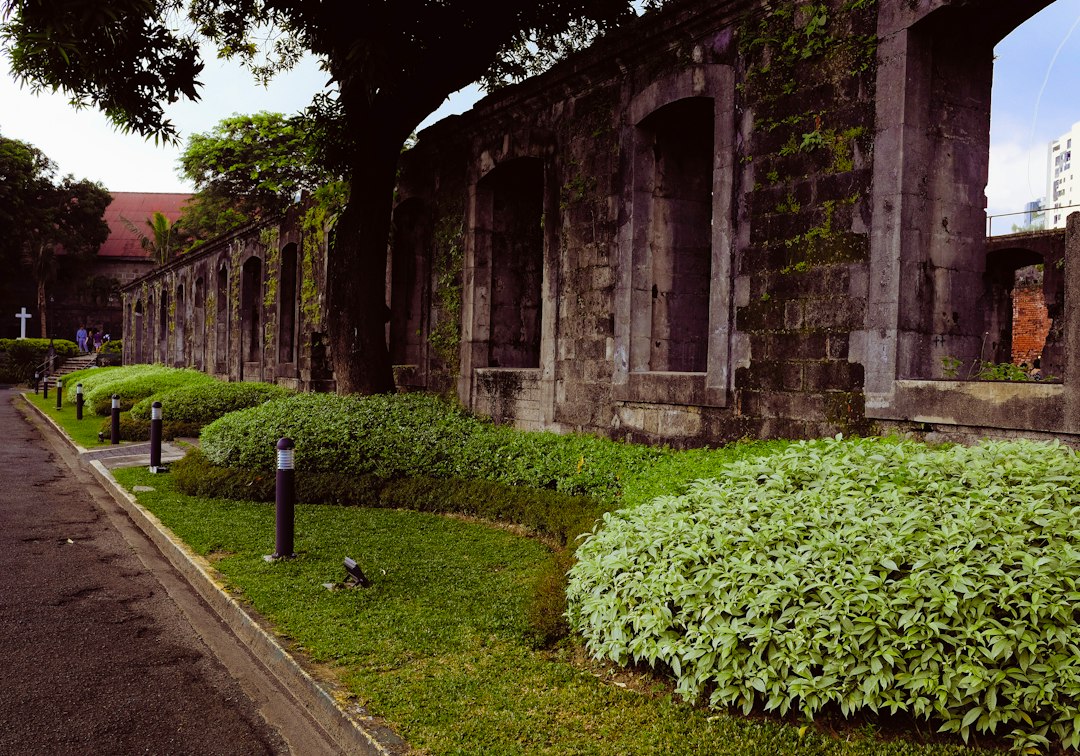
Begin with the walled district and its history. The Intramuros Administration’s official Fort Santiago guide details the fort’s transformation from a precolonial settlement’s defenses into a Spanish military stronghold and later a place of imprisonment. It also describes Jose Rizal’s detention and the site’s World War II history. These stories deserve meaningful time.
Allow at least a substantial morning for Fort Santiago and nearby streets rather than treating its grounds as a short photo stop. The current government visitor center provides interpretation, exhibitions and local information. Check the official visiting hours and any separate entry fees at the time of your trip.
Understand the colonial and wartime layers
Intramuros reflects the conquest of Indigenous polities, centuries of colonial administration, the Philippine independence movement and the destruction of Manila in World War II. A good guide or museum visit should include more than architectural beauty. Recognize the people whose experiences and sacrifices shaped the district.
For example, Fort Santiago’s use as a wartime prison is part of its historical identity. The site also commemorates Rizal and others who fought for independence. Visit respectfully rather than treating solemn exhibits as entertainment.
Day 2: National Museum and the city’s creative history
Choose one or two locations in the National Museum complex based on your interest in fine art, anthropology or natural history. The National Museum of the Philippines publishes current visitor information and exhibit notices; do not assume every gallery is open or that all buildings operate on identical schedules.
Allow time to read interpretation. Philippine culture extends far beyond Manila’s colonial landmarks, and museum collections can highlight regional traditions, precolonial society and changing contemporary artistic expression.
Day 3: a manageable neighborhood and food day
For your final day, choose a specific city district for food, local businesses and cultural walking instead of commuting between multiple disconnected attractions. Depending on your interests and current conditions, a well-researched area for local cuisine or a museum you missed may be more satisfying than another long cross-city drive.
If you are considering a longer working stay, explore a different part of Metro Manila with that purpose in mind. Makati, BGC and Quezon City are distinct environments, and none can be meaningfully assessed from a single hotel lobby.
Three-day Manila planning table
| Day | Focus | Key check |
|---|---|---|
| 1 | Intramuros and Fort Santiago | Official admission and heritage guidance |
| 2 | National Museum complex | Which museums are open and current exhibits |
| 3 | One neighborhood, food and culture | Actual routes, weather and departure time |
Transport planning: calculate door-to-door time
Map the route between your accommodation and each day’s first venue, including final walking distance. Manila traffic can make apparently nearby locations inconvenient at busy hours. Use legitimate transport services and check weather, accessibility and return plans. If using public rail, confirm current operating routes and station access rather than assuming every landmark has a nearby stop.
To avoid wasting hours, keep the historic-center and National Museum days geographically focused. Do not insert a remote shopping district into both mornings simply because it is popular online.
Heritage etiquette and photography
Follow rules at churches, memorials and museums. Photography may be prohibited in certain exhibits or inappropriate during worship. Seek permission before photographing local people closely. Hire legitimate local guides who can explain the fuller historical context rather than purely deliver a set of viral photo points.
Weather and everyday risk
The Philippines experiences tropical storms and heavy rainfall. Build flexibility into outdoor days and check official forecasts and advisories. The U.S. State Department Philippines advisory should be read in full, including region-specific restrictions; it is not a substitute for recent local conditions.
Keep your phone charged, save lodging details offline and know how to return from evening activities. Basic planning helps regardless of whether you are on a short holiday or scouting an extended stay.
Where to stay for three days
A convenient hotel for historic sightseeing might differ from the ideal remote-work apartment. Compare the actual route to Intramuros and the museum complex, access to everyday essentials and safety precautions. Before booking, verify noise, fees, climate control and late arrival procedures.
For longer stays, our Manila digital nomad guide examines workability, neighborhoods and repeated trips. A successful three-day vacation is not proof that the same property works for 30 days.
Final recommendation
Visit Manila to understand it. One carefully planned historic day, a serious museum day and a neighborhood day create a richer introduction than a rushed list of unrelated landmarks.