


Hey, just so you know, some of the links on this site are affiliate links. That means I may earn a small commission if you buy something through them. It doesn’t cost you anything extra, and it helps me keep this site running. Thanks for your support!
Lisbon can be a rewarding place to spend a month when you stop treating the city as a three-day sightseeing schedule. The atmosphere of Alfama, the central streets of Baixa and Chiado, and the everyday rhythm of neighborhood cafés offer different ways to understand the city. But a successful longer stay also needs a workable apartment, recurring activities and respect for the people living around you.
This guide focuses on building a real social and cultural routine, not promises about dating outcomes. It covers fado, language learning, neighborhood etiquette, safe meetings and how to fit a social calendar around remote work.
Spend the first week becoming a good neighbor
Before committing to a busy events calendar, walk the area around your accommodation at different times. Find groceries, a pharmacy, a comfortable café, laundry and a reliable return route. Introduce yourself politely where appropriate, learn the local business hours and respect building quiet rules.
Lisbon’s hills make small map distances deceptively demanding. An apartment in a photogenic lane may be reached by steps rather than a simple car drop-off. Your everyday logistics matter more during a month than a weekend, so evaluate them before signing a longer lease.
Fado: listen before making it an Instagram event
Fado is a major Portuguese musical tradition and a part of Lisbon’s cultural identity. A live performance can be meaningful when you understand that it is music, storytelling and emotion rather than a generic dinner-show backdrop. Check whether a venue offers a dedicated performance, a meal-inclusive format or a cultural program, and compare the terms before reserving.
During a performance, follow the room’s expectations about conversation, recording and phone use. The experience is more valuable when you let the musicians perform without interruption. To learn more, use the Museu do Fado as a cultural resource rather than relying entirely on influencer recommendations.
Choose social activities that can repeat
A class, recreational activity or community event is often a better long-stay anchor than a new bar every night. Language sessions, arts programs, walking tours and shared-interest groups create reasons to return. Confirm the organizer, dates and location independently; don’t assume an event listing from six months ago is still active.
Some communities include both long-term residents and temporary visitors. Participate without expecting to be immediately included in every social circle. Being a good guest means showing consistent respect, learning and allowing friendships to develop naturally.
Alfama, Baixa and more: different purposes, not rankings
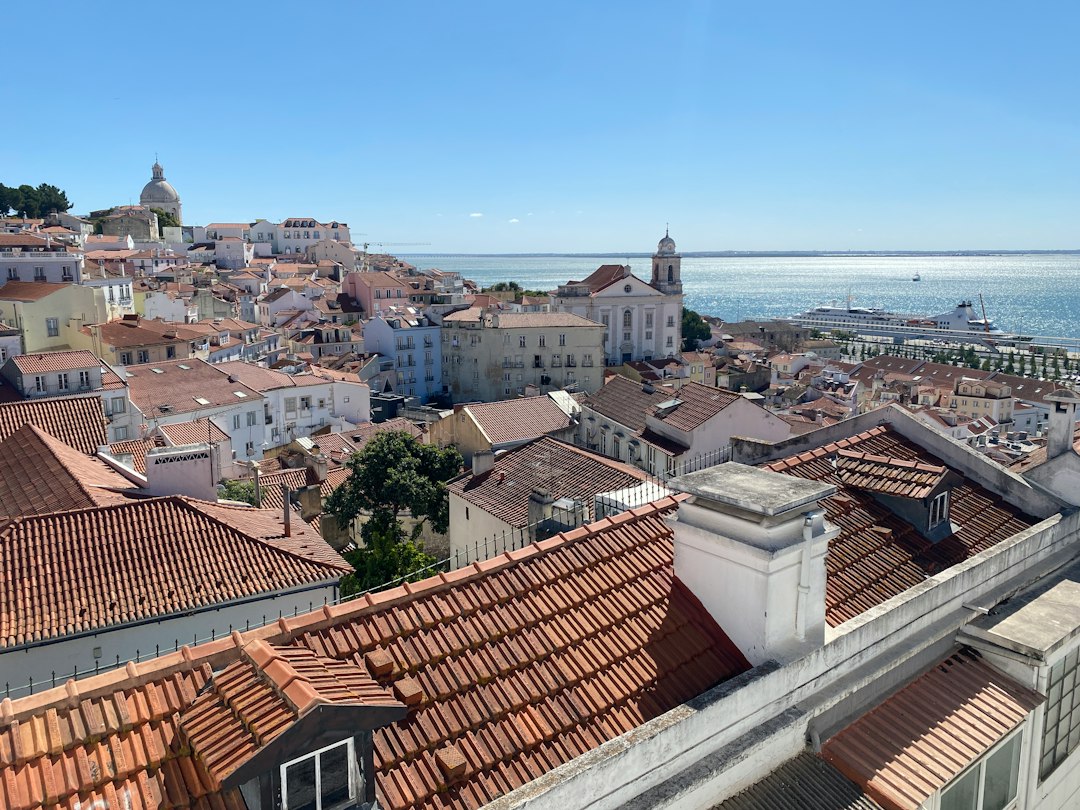
Alfama is associated with historic lanes and fado culture; Baixa offers a different central commercial character; Chiado adds its own shops and literary associations. The official Lisbon visitor site describes the history of its neighborhoods. What suits your social calendar depends on where you live and how you travel.
A traveler who wants an early, quiet work night may choose differently from a visitor who plans regular late performances. Evaluate the specific apartment’s sound isolation and transport connections. The city should not be reduced to claims that one area has the “best people” or best dating scene.
Meeting people online or in person
For first meetings, choose a public venue you have independently checked, arrange your own transportation and let a trusted contact know your plans. Keep the exact accommodation address and financial information private until trust is earned. If a proposed location or money request seems unreasonable, decline without treating politeness as an obligation to comply.
Respect consent and boundaries in every direction. A Portuguese resident, expatriate, visitor or service worker is an individual with their own intentions; avoid nationality-based relationship stereotypes. Friendly hospitality is not an invitation to pressure anyone for attention.
Workday reality for U.S. clients
Lisbon usually sits several hours ahead of New York, with temporary differences during daylight-saving transitions. For some remote workers, afternoon and evening become the core meeting period. That can conflict with music performances and social plans unless you protect certain days for work.
Try an arrangement with recurring work blocks and one or two scheduled cultural evenings. Our remote-work time-zone guide explains how to model the schedule before making a long booking. Never assume that a foreign work location is permitted under your employer or immigration conditions without checking.
A realistic seven-day routine
| Day | Cultural/social focus | Practical boundary |
|---|---|---|
| Monday | Neighborhood errands and walking | Keep the workday manageable |
| Tuesday | Portuguese language or hobby class | Confirm organizer and travel route |
| Wednesday | Museum, library or quiet cultural outing | Allow time for work and rest |
| Thursday | Meet a friend for a meal or group activity | Keep independent transport |
| Friday | Fado performance | Reserve appropriately and follow music etiquette |
| Saturday | Park, market or longer cultural walk | Respect residential areas |
| Sunday | Recovery and next week’s planning | Check budget and energy |
This is an illustrative routine, not a claim that particular events or venues operate on those days. Build your calendar from real listings for the dates you will be there.
Avoid the common long-stay spending trap
Daily restaurant meals, ticketed events and rides across town can grow into a large monthly expense. Track what is included in rent, groceries, mobile data, occasional workspace, transportation and cultural activities. A social calendar should be financially comfortable as well as enjoyable.
If you are considering a short visit before deciding on a month, our three-day Lisbon itinerary will help establish the city’s geography. A longer stay demands a different housing and routine check.
Travel and local etiquette
Review current travel guidance for Portugal, carry essential documentation securely and respect rules in museums, religious places and residences. Be particularly mindful of noise and privacy in narrow streets where visitors and residents share limited space. Learn a few Portuguese phrases even if service workers speak English.
Bottom line
The most satisfying month in Lisbon is built around ordinary life, not a checklist of famous views. Find a workable base, participate in authentic cultural activities, approach people respectfully and leave room for both music and quiet evenings.