


Hey, just so you know, some of the links on this site are affiliate links. That means I may earn a small commission if you buy something through them. It doesn’t cost you anything extra, and it helps me keep this site running. Thanks for your support!
Lisbon is best explored with enough time to stop, look and sometimes take the less ambitious route uphill. The city is built across hills, and a beautiful-looking sequence of attractions can become tiring when it sends you back and forth over steep streets. Three days are enough for a memorable introduction if each day has a clear area and a little breathing room.
This Lisbon itinerary groups the historic center, Alfama and Belém into distinct experiences. It prioritizes atmosphere and cultural understanding rather than an impossible queue of landmarks. Tram, ferry and museum conditions change, so use the city’s official transit and attraction sites to verify the final details.
Your three-day overview
| Day | Focus | Signature experience |
|---|---|---|
| 1 | Baixa, Chiado and central squares | Orientation, architecture and relaxed riverside time |
| 2 | Alfama and viewpoints | Historic lanes, tiled streets and neighborhood culture |
| 3 | Belém | Riverfront history, museums and a more spacious walk |
Day 1: begin in Baixa and ease into Chiado
Start with an orientation walk across central Lisbon. Baixa’s broad grid provides a useful contrast to the narrow lanes you will encounter later in Alfama. Spend time around Praça do Comércio and the riverfront, then choose a route through the commercial streets rather than trying to visit every lookout on the first afternoon.
Chiado can be a pleasant second focus for shops, cafés and literary associations. If your arrival day is short, reserve the afternoon for these central streets and an easy dinner; this reduces the temptation to cram a museum, a tram trip and a sunset viewpoint into a jet-lagged evening.
Day 2: explore Alfama at walking pace
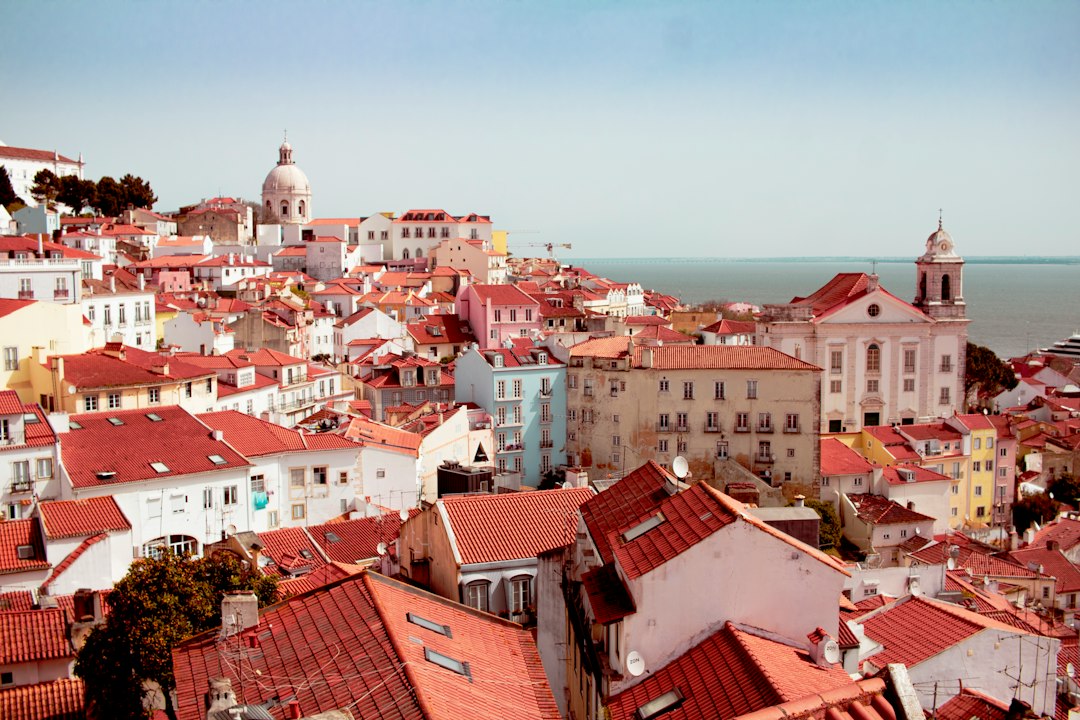
Alfama’s appeal lies in its street pattern, views, local life and historic buildings. Its hills are also a reason to plan carefully. You can make the day easier by beginning at an elevated point and walking downhill through selected streets, rather than treating every climb as mandatory.
Look for tiled façades, neighborhood squares, viewpoints and the spaces around the cathedral, subject to current access. The official Visit Lisboa historic neighborhoods guide provides background on these districts. Remember that Alfama is a residential area as well as a visitor destination: keep noise and photography respectful.
What about Tram 28?
Lisbon’s historic trams are iconic, but the experience depends heavily on demand, service and your own mobility needs. A crowded ride may be less enjoyable than a shorter walk and another route. Check the operator’s current timetable and the conditions on your travel day. Do not assume one tram is the only way to experience old Lisbon.
If you enjoy transport history, the trams are part of the character of the city. If your priority is an unhurried cultural walk, a sensible bus, Metro or taxi transfer can leave you more energy for the neighborhood itself.
Day 3: dedicate time to Belém
Belém deserves its own half or full day because its riverfront monuments and institutions are not simply another central Lisbon block. The area has strong links to Portugal’s maritime past, and a visit is richer when you make space to consider both its achievements and the broader historical consequences of exploration and empire.
Choose one major indoor site or museum based on your interests, then leave time for the riverside setting. Popular attractions may have controlled opening hours, restoration periods or advance-ticket needs. Verify each site directly rather than following a fixed online itinerary that assumes every monument is always open.
A hill-aware transport strategy
Lisbon’s Metro, trams, buses and other options can reduce repetitive climbs. The official Lisbon Metro guidance explains how to use the system. Check current ticket products and whether the routes you need are actually within its network. A transport card that looks convenient may not cover every train or service you have in mind.
Map your lodging to each day’s first stop, and add a backup return option. The best place to stay may be one that offers manageable access at the end of a long day, not only a charming view of steep rooftops.
What to eat without turning meals into another queue
There is room for pastries, seafood, local cafés and other Portuguese food traditions, but let appetite and location guide you. Research the places that matter most, then leave flexibility for a smaller restaurant or bakery encountered on a neighborhood walk. If you have dietary restrictions, check ingredients and accommodation ahead of time.
Try not to assign your entire day to one famous pastry queue. One good meal in an unhurried setting often contributes more to a city visit than several hurried stops chosen from a ranking.
Common planning mistakes
- Putting Alfama and Belém in the same rushed morning: their different locations and character reward separate attention.
- Underestimating hills: walking distance is not a reliable measure of effort.
- Relying on an outdated monument-opening list: confirm status and reservations directly.
- Scheduling Sintra as a casual two-hour side trip: its travel and attractions deserve a separate, well-planned day.
- Booking an attractive apartment without checking access: stairs, transit and luggage become real concerns on arrival.
Should you add Sintra?
If you have a fourth full day, Sintra can be a worthwhile separate excursion once you confirm transportation and tickets. If you have only three days and want to understand Lisbon itself, keep the schedule focused. A day trip is an option, not a mandatory proof that you visited Portugal properly.
If you want to stay longer
A short vacation and a remote-work month have different requirements. A central room near attractions might be ideal for three days but uncomfortable for daily calls and regular groceries. Our Lisbon digital nomad guide helps you compare neighborhoods, work setups and the practicalities of longer stays.
Trusted planning links
- Visit Lisboa — historic neighborhoods
- Lisbon tourism authority — attractions and current information
- Metropolitano de Lisboa — how to use the Metro
- CARRIS — Lisbon public transport operator
Reviewed October 2026. Confirm operating hours, transport and current ticketing before setting out.