


Hey, just so you know, some of the links on this site are affiliate links. That means I may earn a small commission if you buy something through them. It doesn’t cost you anything extra, and it helps me keep this site running. Thanks for your support!
Three days in Porto are enough for its historic core, a river crossing to Vila Nova de Gaia and one deeper day—if you do not try to squeeze an entire Douro Valley excursion into every free afternoon. Porto rewards walking, views and food, but hills and uneven streets can change how long a simple-looking route takes.
This itinerary prioritizes a clear geographic plan: central Porto and Ribeira on Day 1, Gaia and riverside culture on Day 2, then a choice between the Atlantic coast, museums or another neighborhood on Day 3. Timings are deliberately flexible and should be checked against official schedules.
Three days at a glance
| Day | Route | What to prioritize |
|---|---|---|
| 1 | São Bento, Aliados, old center, Ribeira | History, tilework, riverfront atmosphere |
| 2 | Dom Luís I Bridge and Vila Nova de Gaia | River views, port-wine heritage or non-wine alternatives |
| 3 | Foz, museums or slower Porto neighborhoods | Choose one interest and leave room to linger |
Day 1: São Bento and the historic heart
Start near São Bento railway station, noted for its azulejo tile panels. Give yourself time to study the scenes rather than using the station solely as a quick selfie stop. Continue through the central streets around Avenida dos Aliados, choosing one or two architectural and cultural stops that match your interests.
Porto’s historic-center streets can be steep, and the route down toward Ribeira is different from climbing back up. Plan the return instead of treating every winding street as equivalent. Visit Porto’s official visitor resources can help with museums, attraction access and local travel information.
Ribeira: the riverfront is not the whole city
Ribeira’s buildings and waterside setting are a natural focus for a first visit. Spend some time seeing the Douro River, understanding how historic trade shaped the waterfront and enjoying a meal. It is easy to become trapped in crowded tourist-facing restaurants; compare menus and prices, and consider a quieter nearby street when crowds make the experience less pleasant.
Don’t rush straight from Ribeira to several remote attractions. The pace of a riverfront visit is part of the point. A more comfortable day may include one major museum or church and a slow afternoon rather than every attraction listed on a map.
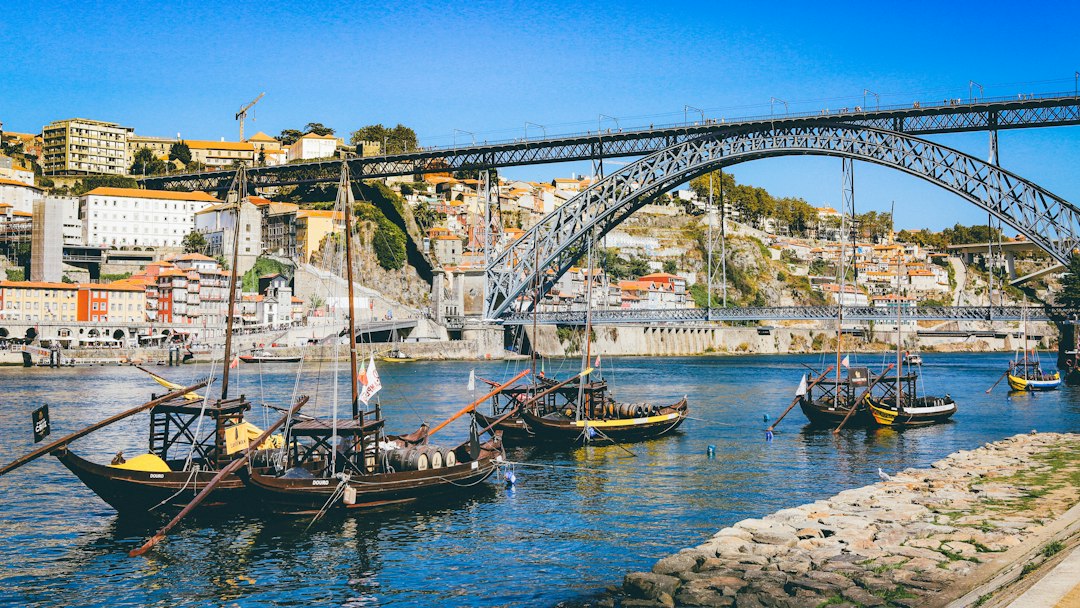
Day 2: cross the Dom Luís I Bridge to Gaia
The iconic bridge links Porto with Vila Nova de Gaia, where port-wine lodges and different riverside viewpoints contribute to the city’s wider landscape. If you plan to walk the bridge, check the pedestrian level, access restrictions and how you will return. The upper and lower approaches involve different elevations.
Gaia’s wine-trade heritage can be interesting even if you do not drink alcohol. Tours, architecture, museums and viewpoints can provide context. If you choose a tasting tour, confirm admission conditions, age requirements and how you will return responsibly afterward. No alcohol purchase is necessary to appreciate the river’s trade history.
What about a Douro cruise?
A river cruise can offer a different angle on the bridges and waterfront, but it is not required for a successful day. Compare trip duration, boarding point, accessibility and cancellation terms. Some longer excursions marketed as “Douro” extend far beyond Porto and require most of a day; don’t confuse them with a brief city riverboat tour.
Day 3: choose one of three excellent directions
Option A: Foz do Douro and the Atlantic
If coastal scenery appeals, research a route west toward Foz do Douro or nearby oceanfront areas. Confirm current transit and weather. The experience will be different from the dense historic center, and it can be a useful third-day contrast.
Option B: a dedicated museum or garden day
Choose a major museum or cultural institution and give it sufficient time. Serralves, for example, combines contemporary art and gardens; verify exhibitions and admission directly rather than relying on a static schedule. This is often a better choice for travelers who appreciate art more than another crowded viewpoint.
Option C: discover another neighborhood at a slower pace
Spend time in shops, cafés, markets or quiet streets away from the main waterfront flow. Take advantage of the flexibility you have earned by not overfilling the first two days. This option can be especially enjoyable when the weather makes a long coastal outing unattractive.
Should you spend a full day in the Douro Valley?
You can, but treat it as a separate major excursion. Rail, transport connections, guided tours and return times require careful planning. A full valley trip on Day 3 replaces most of your deeper Porto day; it is not something to append after visiting five museums.
If you have only two full days, prioritize the city. With four or five, a valley excursion may fit more comfortably. For three days, decide based on whether landscapes or Porto’s urban culture matter most to you.
Where to sleep: convenience beats postcard views
Research your property’s walk to transport, number of stairs, street noise and accessibility. A beautiful room halfway up a steep street may create frustration with luggage. Confirm whether the building has an elevator, sound insulation and reliable heating or cooling for your season.
For a longer stay, cost and work routine matter differently. Our upcoming Lisbon versus Porto comparison (scheduled November 16) addresses month-long apartment and workspace questions, not just sightseeing.
Practical travel checks
- Verify museum hours and seasonal closures directly.
- Plan the climb as well as the walk downhill to Ribeira.
- Confirm official transport and whether your fare product covers the route you need.
- Reserve popular experiences only when they fit the geographic route.
- Leave weather and crowd buffers on the bridge and waterfront.
- Set a comfortable airport-transfer margin for departure day.
Frequently asked questions
Is Porto walkable?
Many central places can be explored on foot, but hills, steps and cobblestones create important accessibility considerations.
Do I need a car?
Not necessarily for this city-based itinerary. The right transport option depends on accommodation, mobility and any excursions.
Should I do Porto and Lisbon in one three-day trip?
That can be unnecessarily rushed. Give each city meaningful time or treat the other as a separate trip.